
Decoding ‘Mzungu’: Unpacking Nicknames, Local Interactions & Navigating Attention in Tanzania (A Guide to Authentic Connection)

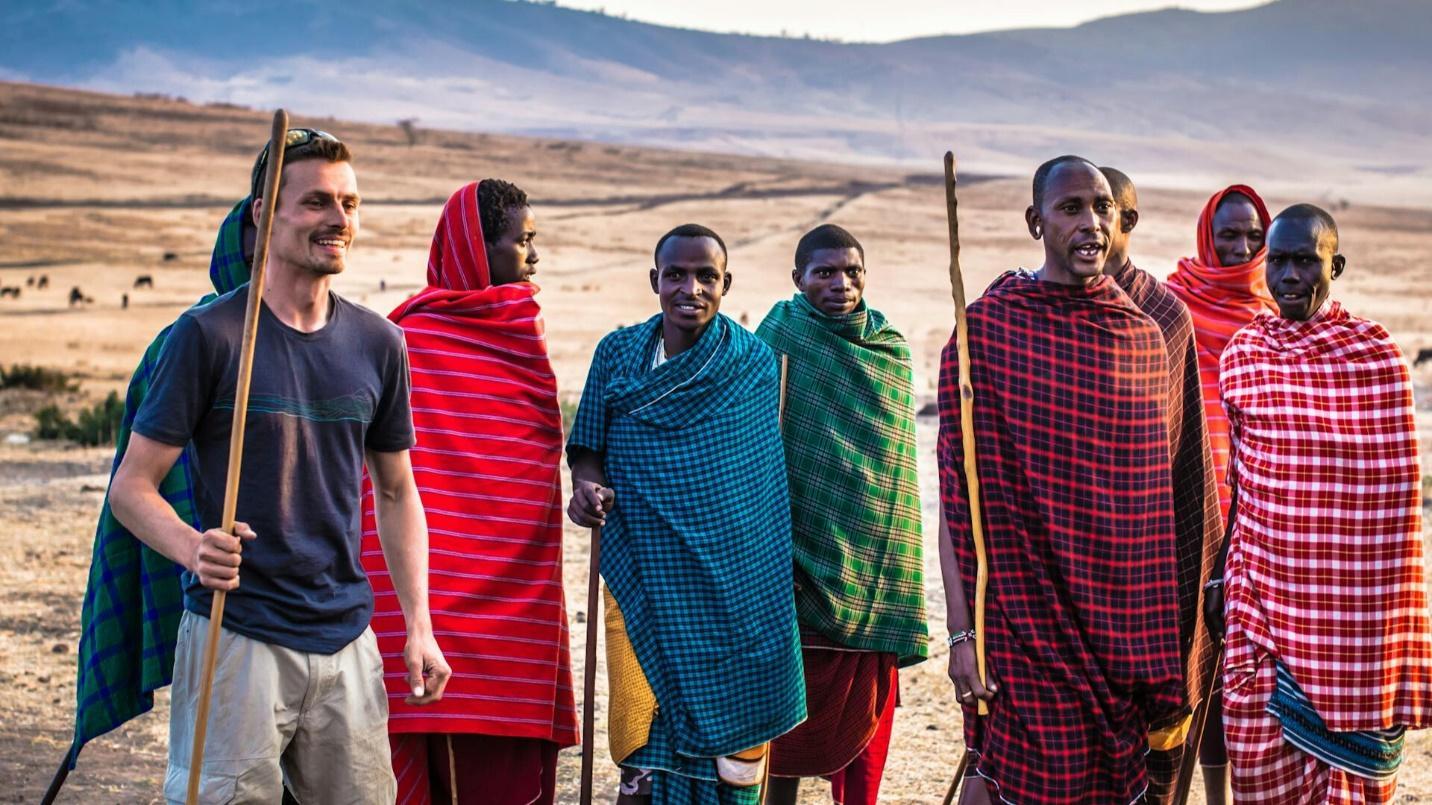
The moment you step onto Tanzanian soil, a new word might begin to follow you: ‘Mzungu.’ Often called out by children with a wave, or by street vendors with a smile, this term (meaning ‘white person’ or ‘foreigner’) is an undeniable part of the traveler’s experience in East Africa. While typically benign, it can sometimes be confusing, overwhelming, or even a little uncomfortable if you don’t understand its context. But what if, instead of just tolerating it, you could just decode this interaction, transforming simple greetings into genuine moments of connection? This guide to decoding ‘Mzungu’ is your key to navigating attention in Tanzania, understanding local interactions, and fostering truly authentic connections that enrich your East African adventure far beyond the safari vehicle.
‘Mzungu’: More Than Just a Word- A Cultural Lens
The term ‘Mzungu’ (plural ‘Wazungu’) literally translates to “one who roams around” or “white person”. Its origin is neutral, even descriptive, referring to the early European explorers who seemed to wander without a clear destination in mind (a stark contrast to local, purposeful movement). Over time, it simply became a common, informal way to refer to foreigners, especially those with lighter skin tones, and implies a certain degree of perceived wealth or difference.
-
It’s Usually Not an Insult: For most Tanzanians, especially children, calling you ‘Mzungu’ is simply a way to acknowledge you, often with curiosity or a friendly greeting.
-
It Implies “Tourist”/ “Wealth”: Consciously or unconsciously, it often carries the connotation of someone who has resources. This is where interactions can sometimes shift towards requests for money or sales pitches.
Navigating Common Interactions: From Curiosity to Commerce
Understanding the various ways “Mzungu” might be used helps you respond appropriately and comfortably.
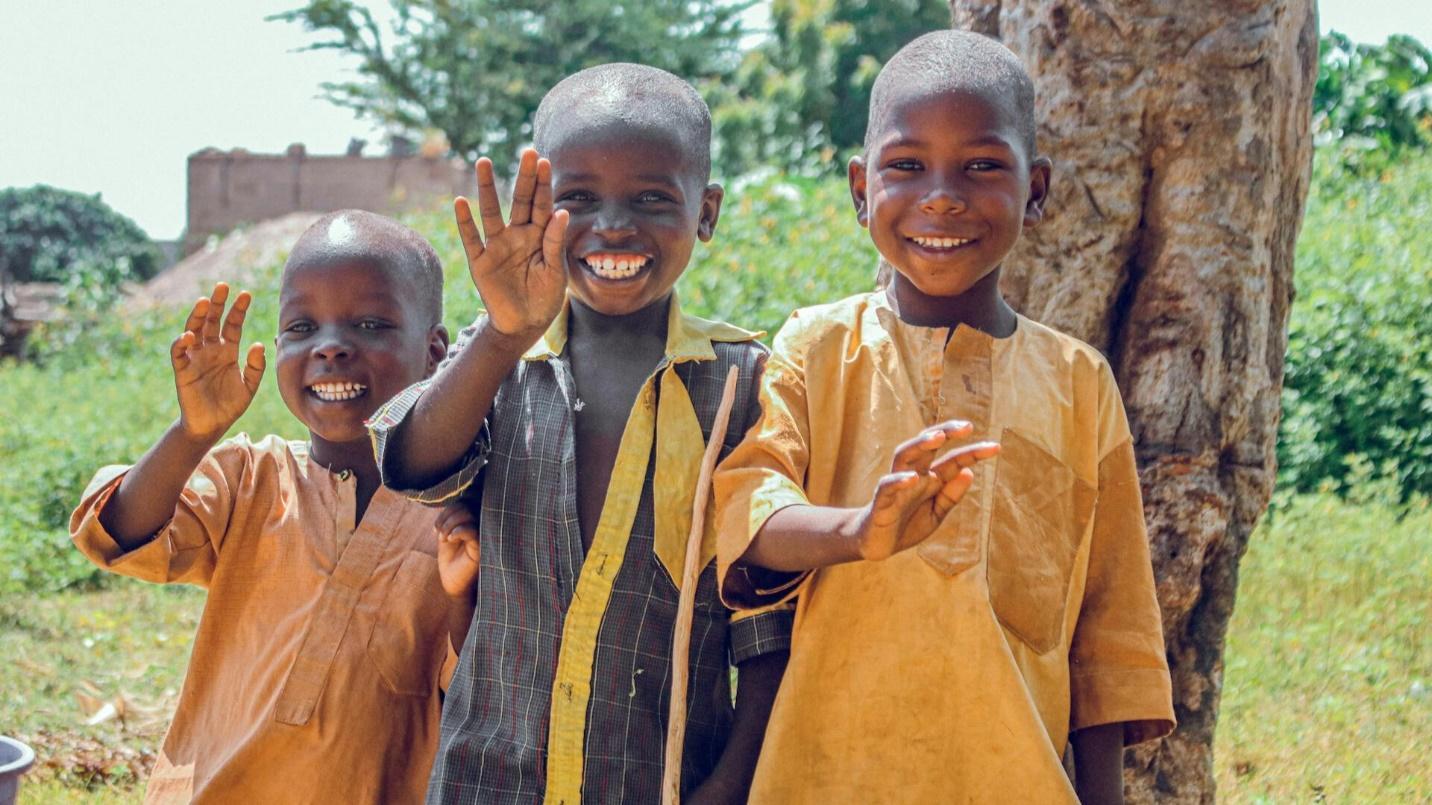
Children’s Curiosity:
The Scenario: Children, especially in rural areas or smaller towns, might shout “Mzungu! Jambo Mzungu!”
Your response: A simple wave, a smile, and a “Jambo!” (Hello!) or “Habari!” (How are you?) is usually perfect. They’re just excited to see you! Avoid giving money directly to begging children, as it can encourage begging over schooling.
Friendly Acknowledgement:
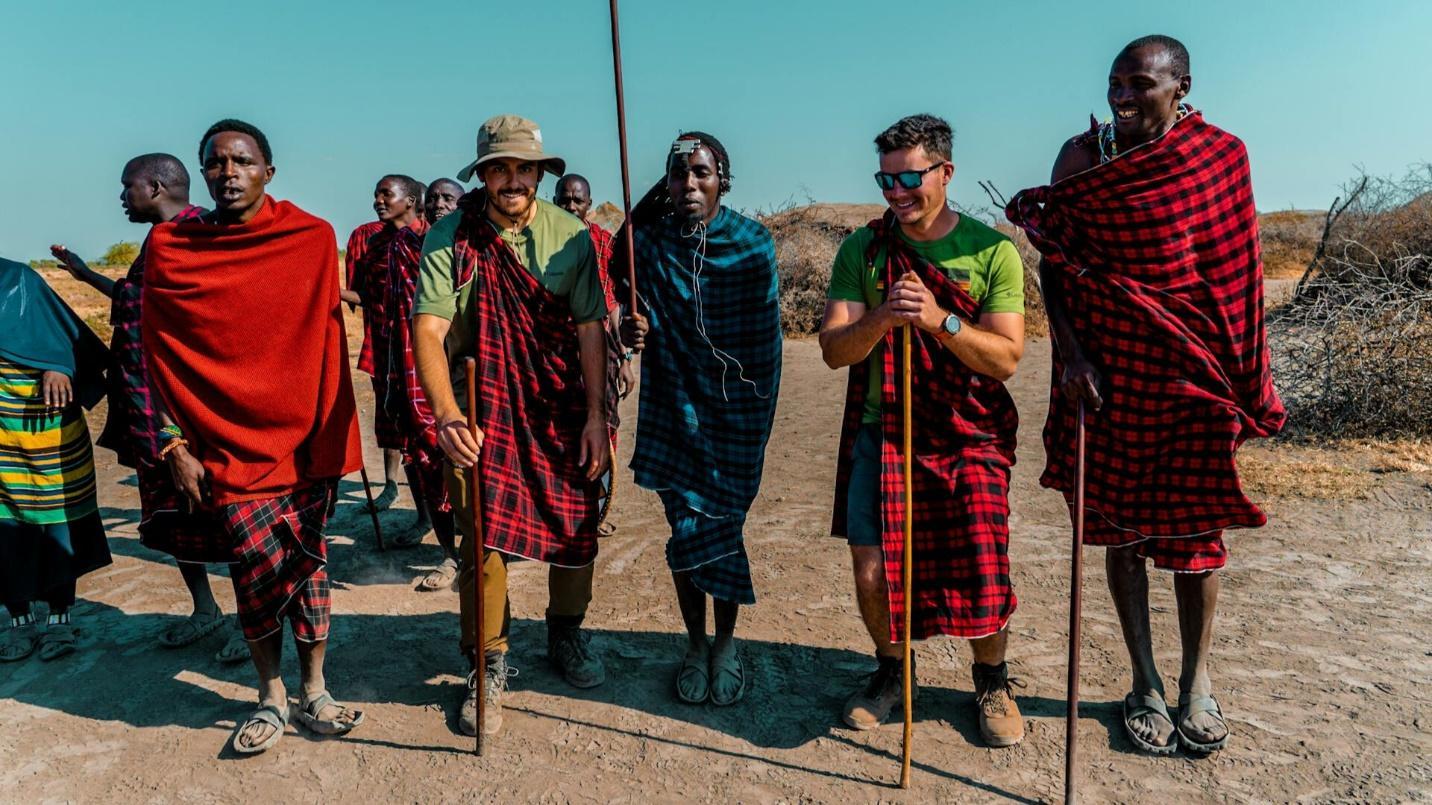
The Scenario: An adult might use in a conversation, “Karibu Mzungu!” (Welcome, Foreigner!)
Your response: Treat it as a friendly welcome. Respond with “Asante Sana!” (Thank you very much!) or a cheerful “Asante Mzungu!” back, often with laughter and warmth.
Sales & Solicitation:
The Scenario: Street vendors or guides might use it to grab your attention: “Mzungu! Come see my shop” or “Mzungu, I can help you!”
Your Response: A polite but firm “Hapana, asante” (No, thank you) or “Labda kesho” (Maybe tomorrow) with a smile is usually efficient, don't feel obligated. If you’re genuinely not interested, maintain your polite refusal and move on.
Begging & Requests:
The Scenario: “Mzungu, nipatie kidogo” (Mzungu, can you give me a little bit?)
Your Response: This is often the most challenging interaction. Direct cash handouts can be problematic. A gentle “Pole sana” (I’m very sorry) or “Sina” (I don’t have) is acceptable. If you want to help, research reputable local charities or community projects, or ask your guide for ethical ways to contribute.
Beyond “Mzungu”: Fostering Deeper Connections
While “Mzungu” is part of the landscape, you can move beyond it to build more meaningful interactions.
-
Learn More Swahili: Even a few basic phrases beyond “Jambo” (like “Habari yako?”- How are you?, “Mzuri sana” – Very good, “Samahani”_ Excuse me) show genuine effort and respect.
-
Engage with Curiosity: Ask questions (through your guide if needed) about local life, culture, and traditions. Show interest in their daily routines.
-
Visit Local Markets & Eateries: Immerse yourself in local life, observe, and participate respectfully. Share a meal at a local “hoteli” (eatery).
-
Patience & Politeness: The “Pole Pole” (slowly, slowly) pace of life is real. Embrace it. Politeness and a calm demeanor go a long way.
-
Use Your Guide: Your safari or local guide is invaluable for cultural translation and mediating interactions. Don’t hesitate to ask them for advice on how to respond.
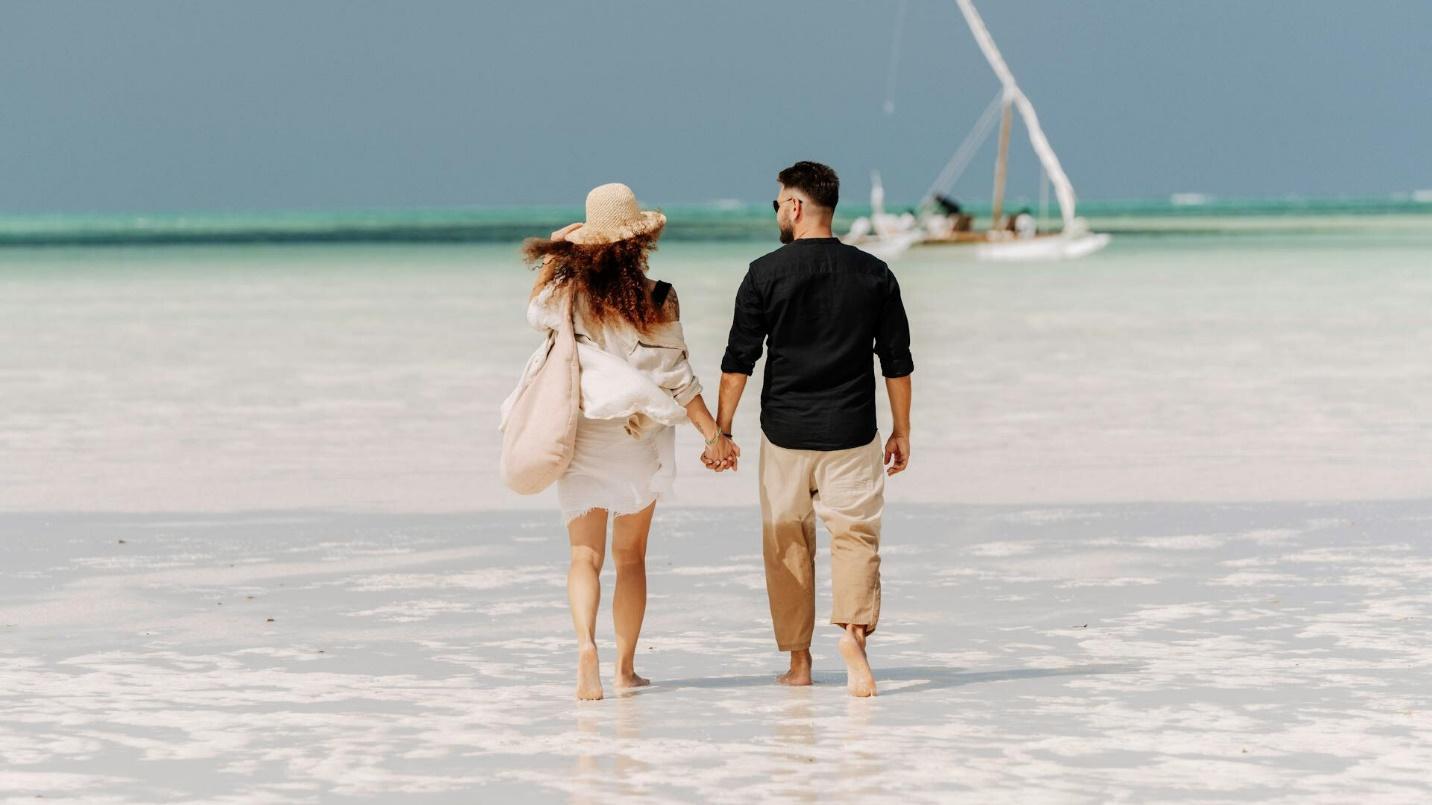
Unlock the Heart of Tanzania: Connect with Confidence
Understanding and thoughtfully navigating the use of “Mzungu” in Tanzania is a significant step towards a more authentic and enriching travel experience. It transforms potential discomfort into opportunities for genuine connection, allowing you to move beyond being just a visitor to truly engage with the incredible warmth and spirit of the Tanzanian people. So, go forth with an open mind, a friendly smile, and the confidence to embrace the nuances of local interaction- your deepest cultural experience awaits!
What's your best tip for connecting with locals in a new country? Share your insights on fostering an authentic travel experience in the comments below!
Tags for this post
React to this article
Enjoyed this article?
Share it with your friends!
You might also like
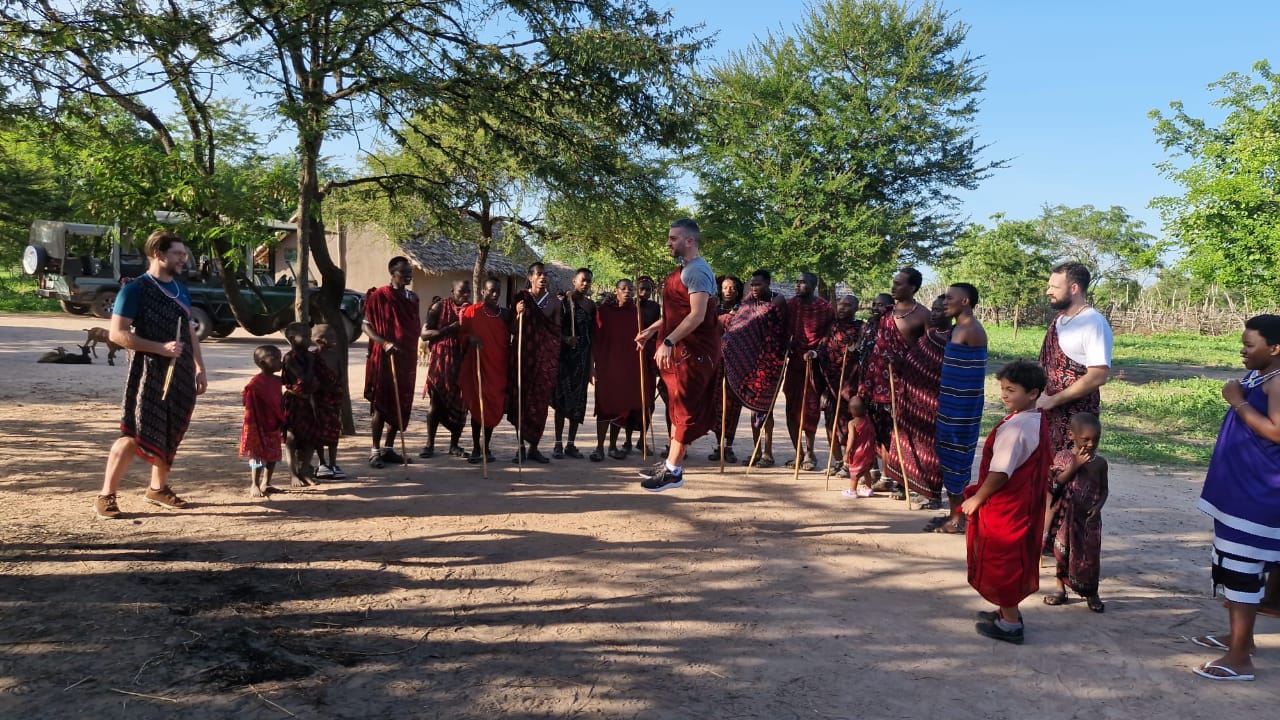
Respectful Traveler: Essential Tanzanian Customs & Etiquette
Learn the key customs, greetings, dress codes, and tips for engaging respectfully with locals during your trip to Tanzania.
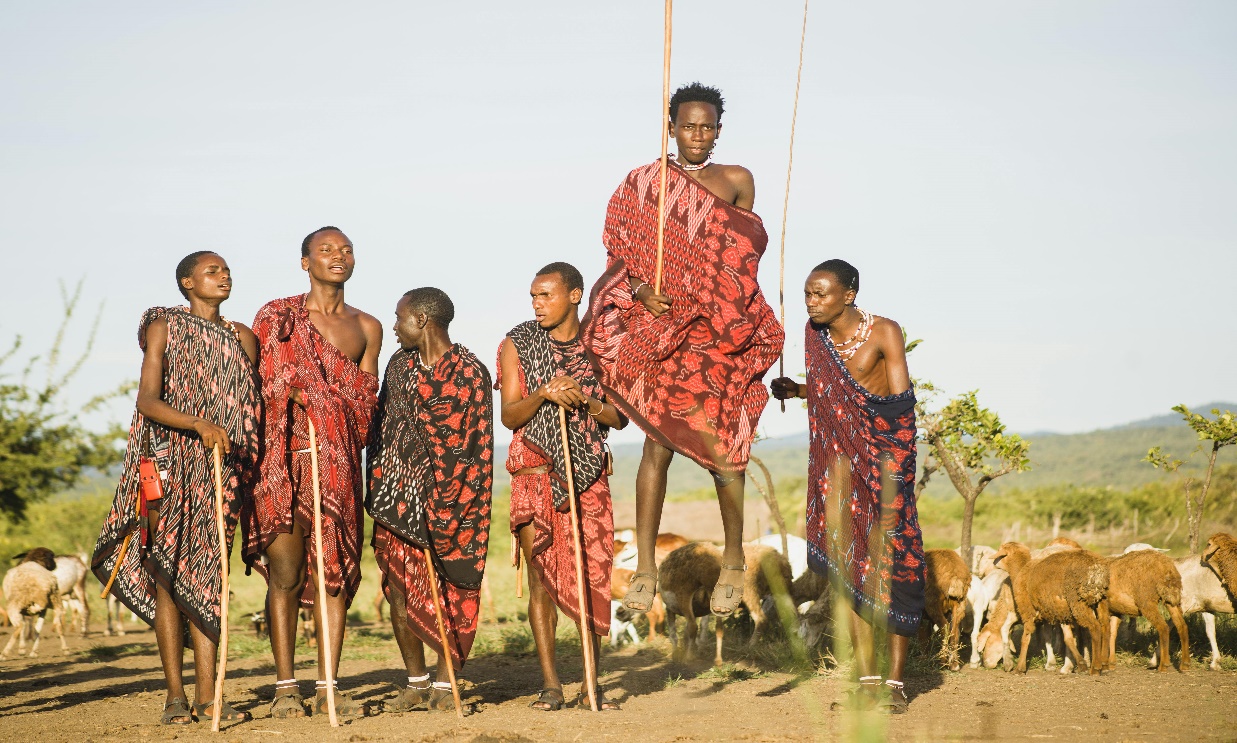
Heartbeats of the Maasai: A Day Living with Tanzania’s Heart (An Authentic Cultural Immersion in Maasai Life)
As the first honey-gold light spills across the savanna, you'll wake not to an alarm, but to the low murmurs of mothers singing blessings over their children. This is no cultural performance—it's raw, unfiltered life among the last great nomadic warriors of East Africa.

Savvy in Safari: Unexpected Travel Hacks to Stretch Your Tanzania Adventure
Wake to lions roaring closer than your tent flap, barter like a Maasai merchant, and find solitude in the Serengeti—these hacks turn clichés into real adventures.
Your Safety Net in Paradise: Unpacking Tanzania’s Mandatory Travel Insurance (Peace of Mind for Every Adventure)
A sprained ankle on safari? A stolen phone in Zanzibar? Tanzania requires travel insurance for this exact reason. It’s not red tape—it’s a smart safety net for adventurers. So you can explore with confidence, knowing you’re covered if a small crisis pops up. Your peace of mind, guaranteed.