
Maasai Culture: Traditions, Beliefs, and Daily Life in East Africa


The Maasai are among the most recognized indigenous groups in East Africa, mainly living in northern Tanzania and southern Kenya. Their rich traditions, iconic dress, and deep cultural pride have made them one of the most studied and admired communities on the continent. Despite modernization and land pressures, the Maasai continue to preserve many aspects of their traditional lifestyle, making their culture unique and valuable.
Historical Background and Origins
The Maasai belong to the broader Nilotic ethnic groups that migrated from the Nile Valley hundreds of years ago. By the fifteenth century, they had spread across the Great Rift Valley, settling in areas rich in grazing land for cattle.
Cattle became central to Maasai life and identity. In Maasai belief, God (Enkai) created cattle and entrusted them to the Maasai, making them the guardians of all cattle on earth. This belief shapes their values, economy, social structure, and spiritual life.
Social Structure and Age-Sets
Maasai society is organized into a unique and powerful system called age-sets. Every boy joins an age-group at a specific time, and they grow through various stages together.
Key stages include:
- Boyhood – Learning responsibilities, herding calves, and listening to elders.
- Warriorhood (Morans) – Marked by courage, community protection, and intensive training. Warriors often live together in a special camp called a manyatta.
- Junior Elder – After warriorhood, men settle into family life and take on more decision-making roles.
- Senior Elder – The respected leadership stage, where elderly men guide cultural matters and resolve conflicts.
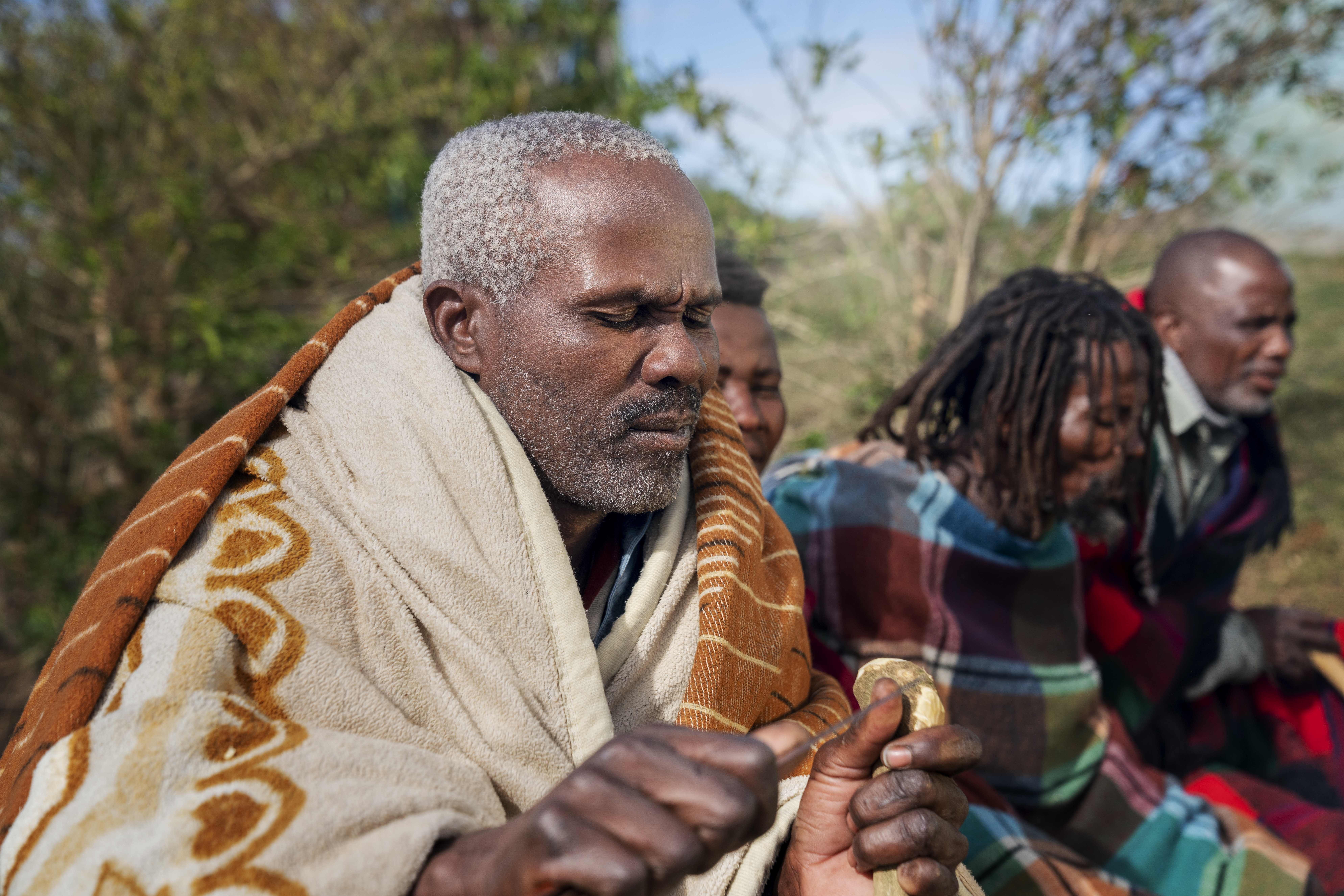
This age-set system has created unity, discipline, and strong cultural identity for generations.
Traditional Clothing and Adornment
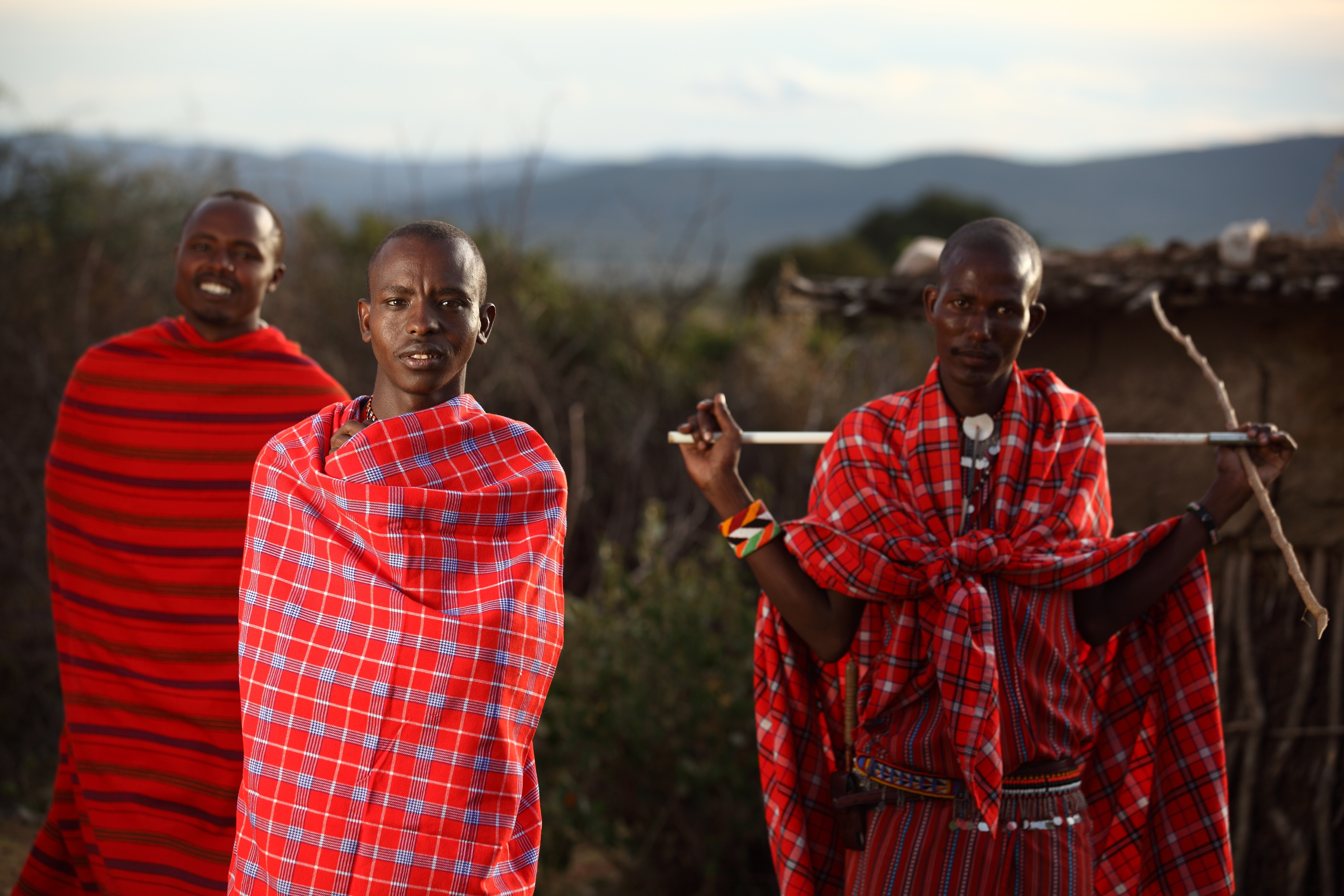
One of the most recognizable symbols of Maasai culture is their vibrant clothing. The shuka, usually red, is worn proudly by both men and women.
Why red?
Red represents:
- Courage
- Strength
- Protection
- Unity
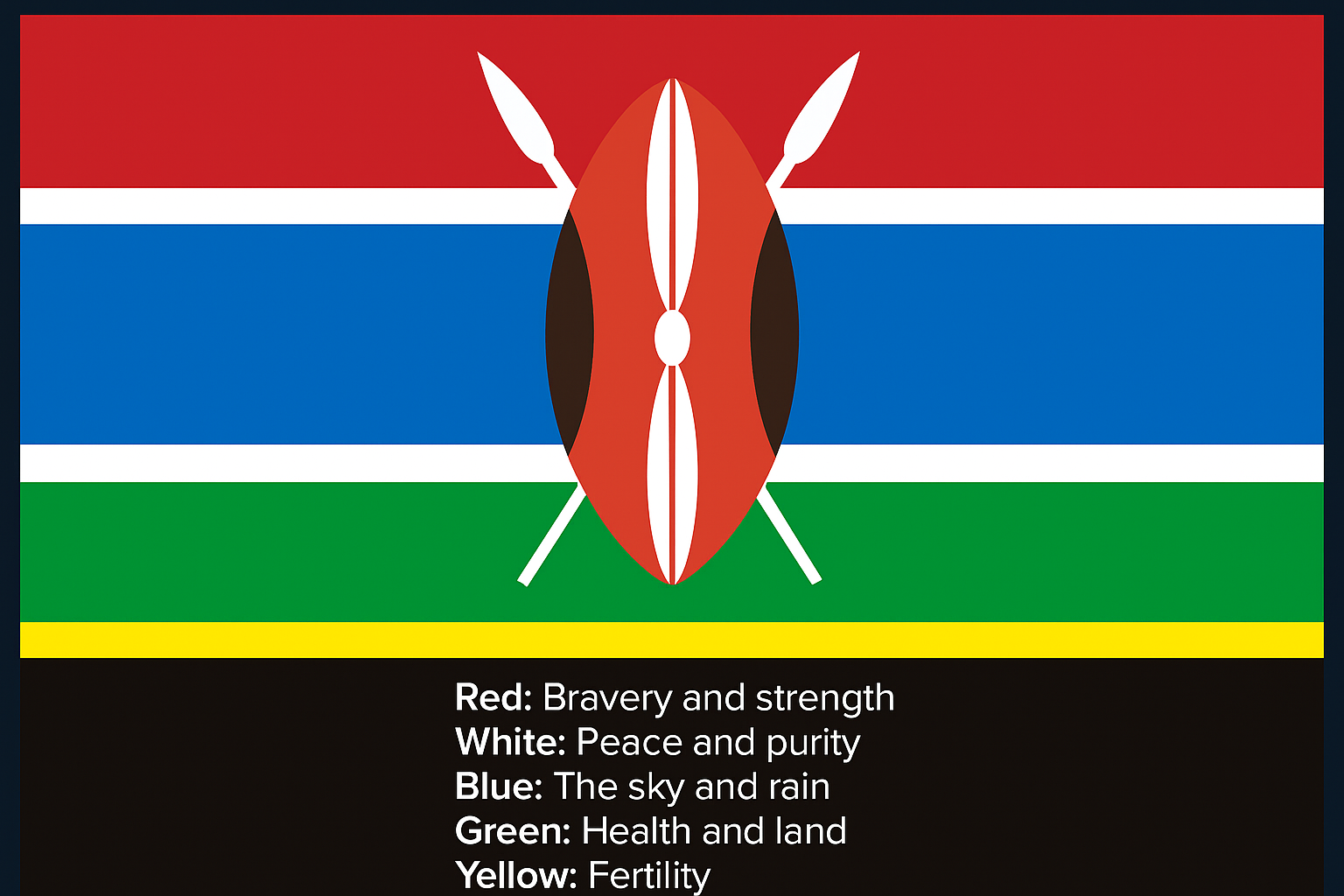
Beadwork is another important cultural expression. Maasai women create colorful bead necklaces, bracelets, and earrings. Each color has symbolic meaning:
- Red: Bravery and strength
- White: Peace and purity
- Blue: The sky and rain
- Green: Health and land
- Yellow: Fertility
- Black: Hardship and unity
A woman’s beadwork can indicate her age, marital status, and social identity.
Marriage and Family Life
Marriage is a major event in Maasai culture. Traditionally, families play a strong role in arranging marriages. A man gives bride price, often in the form of cattle, to the woman’s family.
During the wedding ceremony:
- The bride wears layered beaded necklaces
- Elders offer blessings
- Milk is sprinkled as a symbol of prosperity and purity
Maasai families live in homestead clusters known as enkang or manyatta, made from sticks, mud, and cow dung. Houses are built by women, highlighting their central role in building and maintaining the community.
Cattle and Livelihood
To the Maasai, cattle are more than livestock — they are the foundation of life. Cattle provide:
- Milk (daily food)
- Meat (for special occasions)
- Blood (traditionally used in ceremonies)
- Hides (for bedding and materials)
- Dignity and social pride
The number of cattle a family owns often reflects their wealth and status. Many Maasai are semi-nomadic, moving with their herds in search of fresh pasture, especially during dry seasons.
Religion and Spiritual Beliefs
The Maasai believe in a single God called Enkai or Ngai, associated with:
- Fertility
- Rain
- Cattle
- Protection
There are two manifestations of Enkai:
- Enkai-Narok – The Black God, symbolizing rain and blessings
- Enkai-Nanyokie – The Red God, symbolizing drought and difficulties
Elders and spiritual leaders known as Laibon act as mediators between the people and Enkai. They perform blessings, healings, and rituals during important events in community life.
Music, Dance, and Cultural Expressions
Maasai music is rhythmic, powerful, and collective. Men often sing deep chants while women respond with higher tones, creating a call-and-response style of singing.
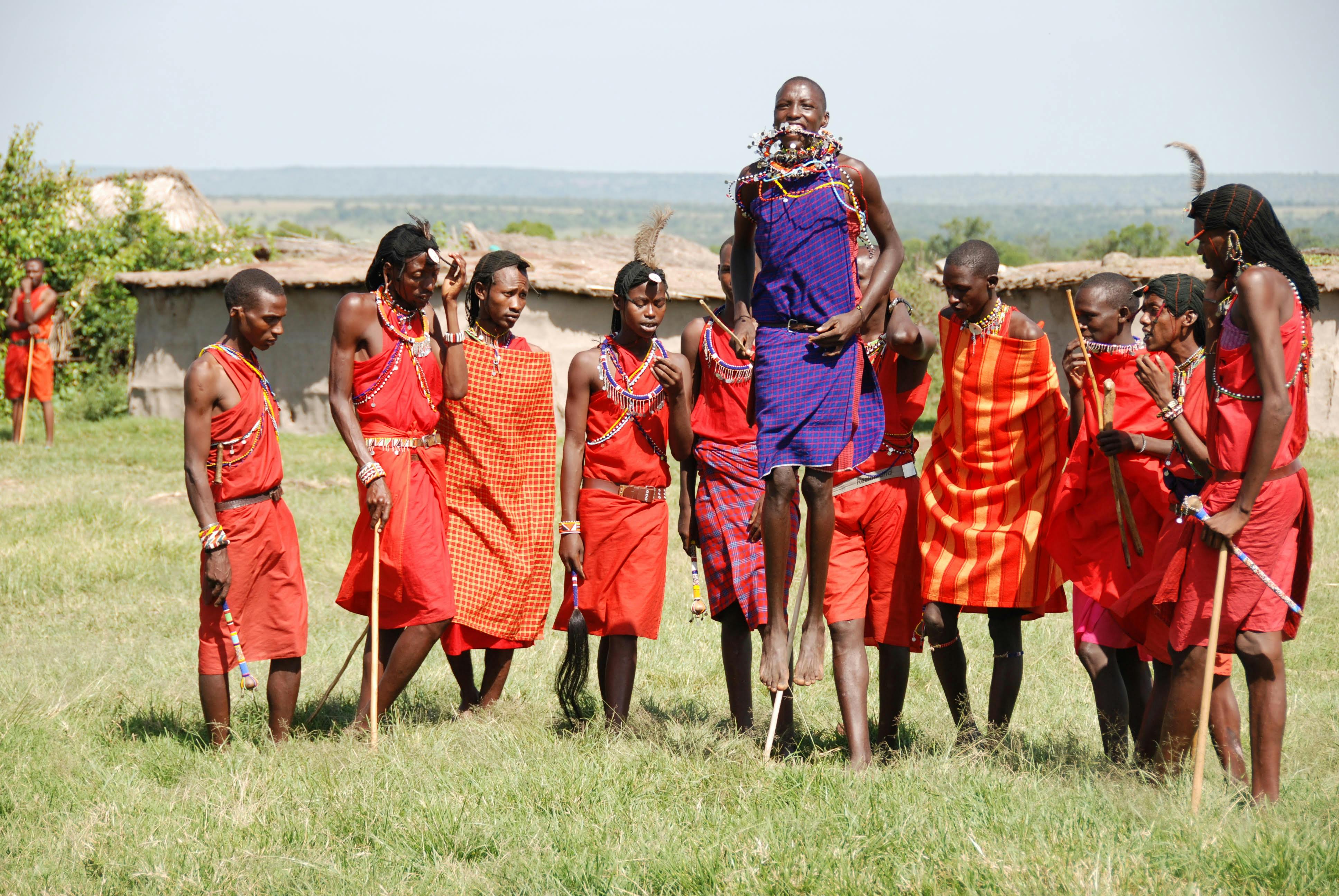
The most famous dance is Adumu, the jumping dance. Young warriors compete to jump as high as possible without bending their knees. This dance symbolizes:
- Strength
- Pride
- Readiness for adulthood
Music and dance are central to celebrations, weddings, warrior ceremonies, and community gatherings.
Food and Traditional Diet
The traditional Maasai diet includes:
- Milk
- Meat
- Blood (during certain rituals and ceremonies)
- Herbal medicines
Milk is the most important daily food. Today, due to lifestyle changes and external influences, many Maasai also eat vegetables, maize, and other modern foods.
Land, Modernization, and Challenges
In recent decades, the Maasai have faced a number of challenges, including:
- Shrinking grazing land
- Pressure from wildlife conservation areas and national parks
- The need for formal education and modern job opportunities
- Climate change and environmental stress
Despite these pressures, many Maasai continue to preserve their traditions, while others blend modern life with cultural practices. Tourism also plays a significant role. Many travelers visit Maasai villages to learn about their culture, support local artisans, and experience traditional dance and beadwork.
Preservation of Culture
The Maasai are known globally for resisting cultural erosion. Proud of their identity, they work hard to pass traditions to younger generations. Through storytelling, ceremonies, music, and daily practices, they keep their heritage alive.
From their vibrant clothing and deep spirituality to their strong community values, the Maasai remain a powerful symbol of African identity and resilience. Their connection to the land, to cattle, and to their way of life continues to inspire people around the world — and ensures that their traditions will endure for generations to come.
Tags for this post
React to this article
Enjoyed this article?
Share it with your friends!
You might also like
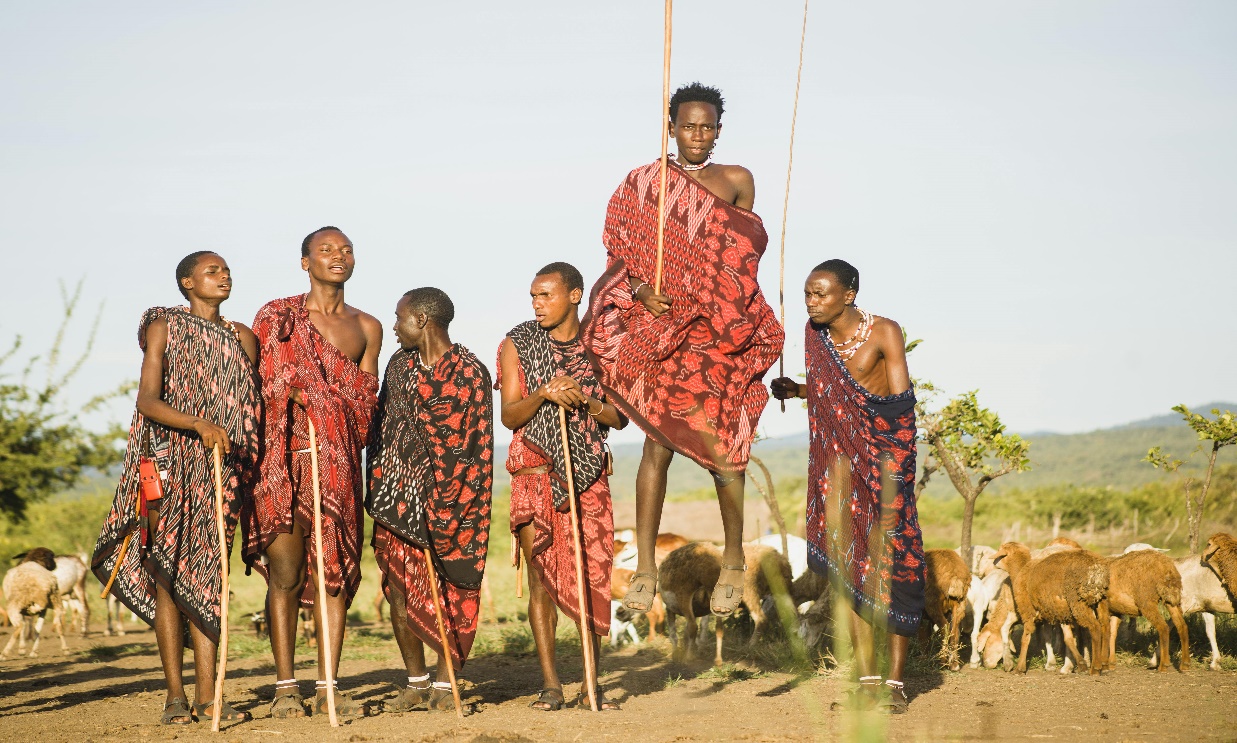
Heartbeats of the Maasai: A Day Living with Tanzania’s Heart (An Authentic Cultural Immersion in Maasai Life)
As the first honey-gold light spills across the savanna, you'll wake not to an alarm, but to the low murmurs of mothers singing blessings over their children. This is no cultural performance—it's raw, unfiltered life among the last great nomadic warriors of East Africa.
Tanzania’s Rhythmic Soul: Discovering Bongo Flava and Traditional Sounds
Tanzania’s soundscape pulses with life—where the slick beats of Bongo Flava meet the raw power of ngoma drums. It’s a musical dance between Swahili street poetry and ancient tradition, each rhythm telling the nation’s story in bold, unmissable strokes
Traditional Tanzanian Wedding Guide: Ngoma Drums, Kanzu & Cultural Celebrations
There’s a moment at every Tanzanian wedding when the drums take over. The air hums with ngoma beats, uncles in crisp kanzus break into spontaneous dance, and the bride’s kanga wraps swirl like liquid sunshine.
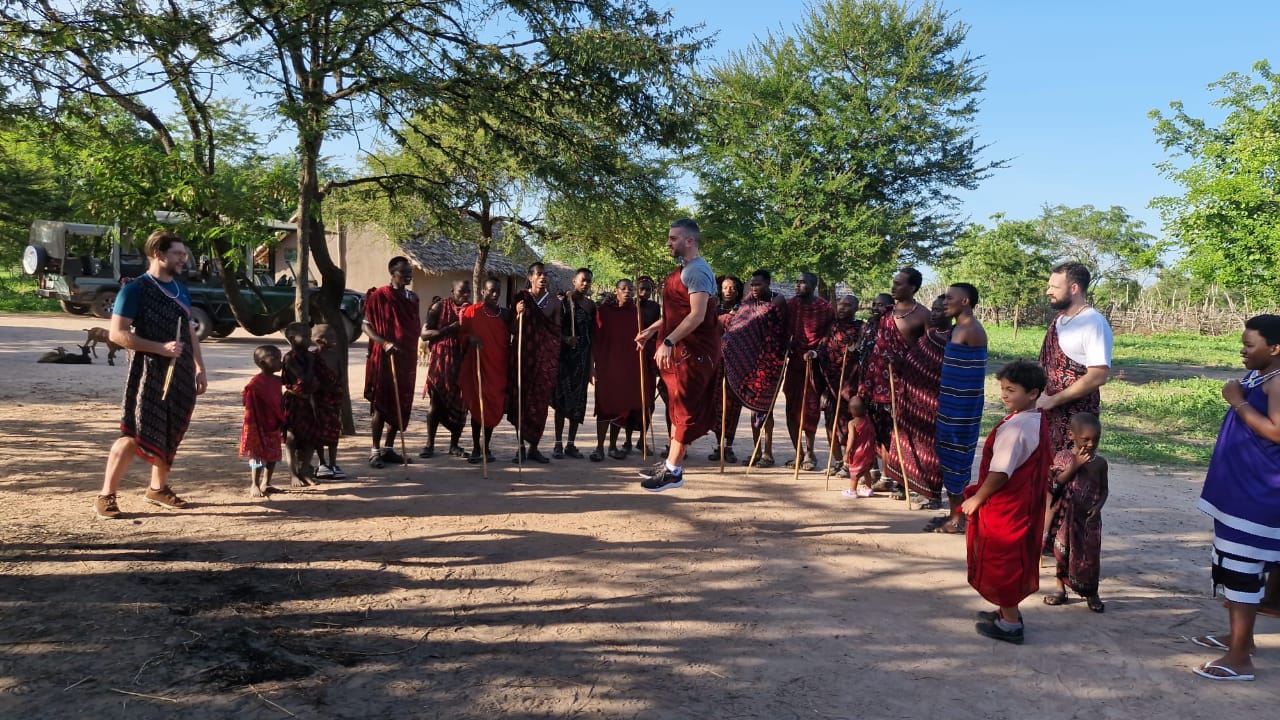
Respectful Traveler: Essential Tanzanian Customs & Etiquette
Learn the key customs, greetings, dress codes, and tips for engaging respectfully with locals during your trip to Tanzania.