The Ultimate Guide to Mafia Island: Tanzania’s Hidden Diving and Whale Shark Paradise

The Ultimate Guide to Mafia Island: Tanzania’s Hidden Diving and Whale Shark Paradise
While millions of travelers flock to the white sand beaches of Zanzibar every year, a quiet, raw, and pristine paradise lies just 160 kilometers to the south. Mafia Island is East Africa's ultimate hidden gem.
Wrapped in deep green mangroves, bordered by white-sand sandbanks, and sitting east of the Rufiji River delta, the Mafia archipelago remains almost entirely untouched by mass tourism. If you are looking for a slow-paced, authentic Swahili island experience combined with world-class marine life, Mafia is where your heart belongs.
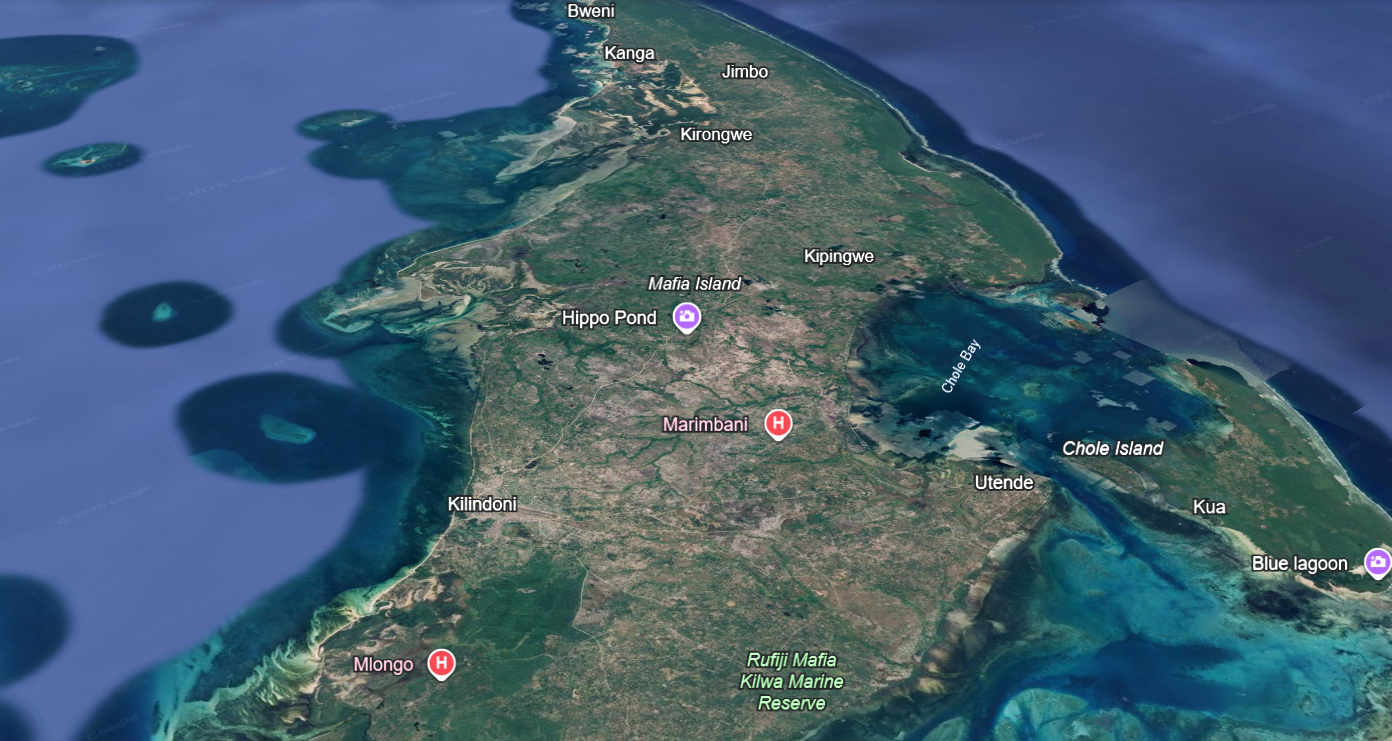
Here is your comprehensive travel guide to exploring Mafia Island, enriched with on-the-ground facts and historical data from our official Mafia Island Field Guide.
Mafia Island at a Glance
Before diving in, here are the essential quick facts about this quiet tropical archipelago:
- Land Area: 394 km² (main island).
- Residents: ~46,000 residents sharing a flat, low-lying landscape covered in lush palm forests (highest elevation is just 53 meters).
- Capital: Kilindoni, a bustling port town on the west coast linked to the mainland by air.
- Climate: Classic tropical. The long rains fall from March to May, short rains arrive in November, and the glorious dry season runs from June to October.
- Languages: Swahili (along with regional coastal dialects) and English along the main trade and tourism routes.
- Local Philosophy: “Slow island, quick tide — the dhow knows both.” — Swahili Coastal Saying.
1. Swim with the Gentle Giants: Whale Sharks in Mafia Island
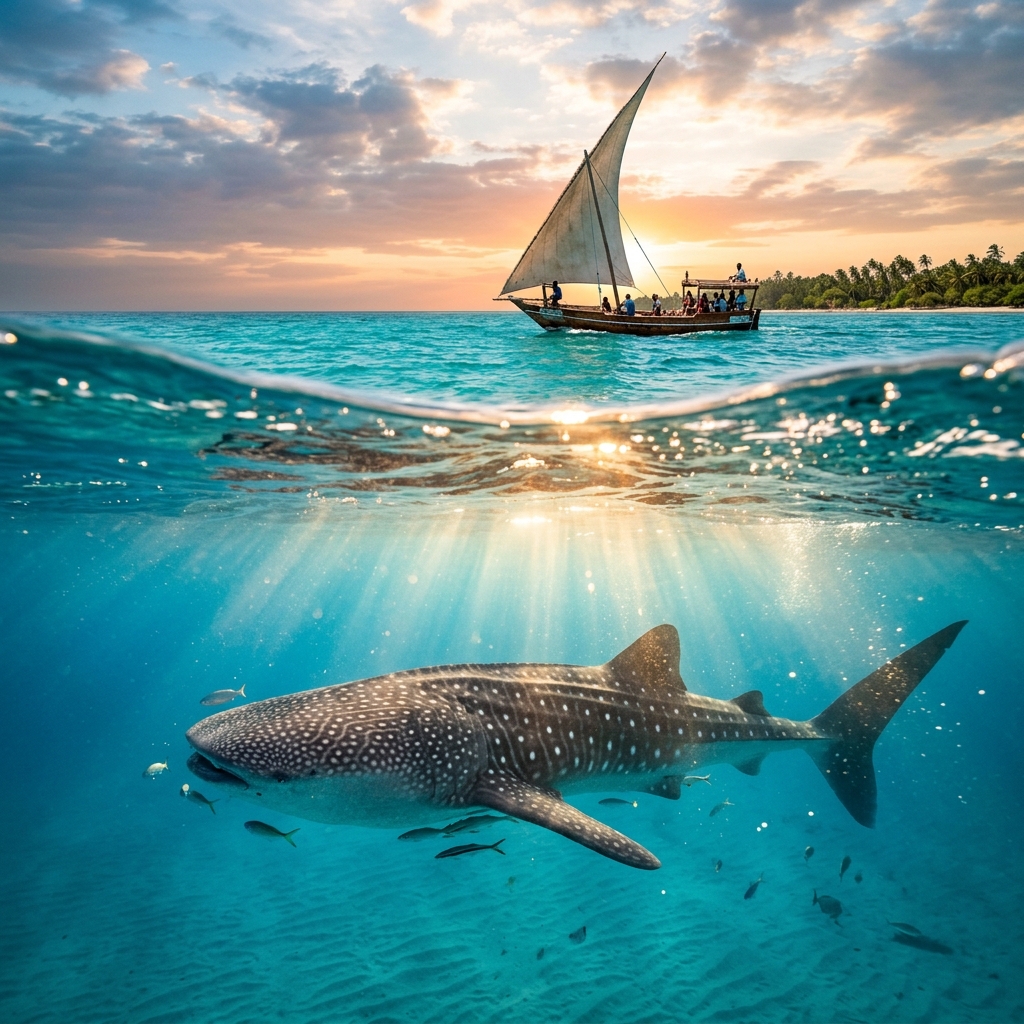
The crown jewel of Mafia Island’s wildlife encounters is the opportunity to swim alongside the majestic whale shark (Rhincodon typus), the largest fish in the sea.
Unlike other parts of the world where whale shark sightings are fleeting or highly commercialized, Mafia Island offers one of the most sustainable, intimate, and reliable whale shark encounters on Earth. The giants are drawn close to the shore off Kilindoni each austral summer by rich plankton blooms.
The Whale Shark Calendar:
- Peak Season (November – December): Plankton blooms draw in the sharks in massive numbers. You can expect dozens of sightings daily in Kilindoni Bay.
- Moderate Season (October, January – February): Highly reliable sightings, perfect for swimming and snorkeling.
- Low/Off Season (March – September): The sharks migrate away as plankton levels drop; sightings are extremely rare.
- Ethics First: Mafia's whale shark operators strictly follow conservation guidelines. Snorkelers are instructed to keep a respectful distance (at least 3-4 meters) and never touch the animals to protect their natural behavior.
2. Explore the Chole Bay Marine Park: A Diver’s Heaven
Founded in 1995, the Mafia Island Marine Park was Tanzania's very first marine park. It is a massive reserve co-managed directly with local resident villages, protecting a vast area of 822 km² of coral reefs, mangroves, and seagrass beds.
At the heart of this reserve is Chole Bay, a deep, protected circular bay that offers some of the finest scuba diving in the entire Indian Ocean.
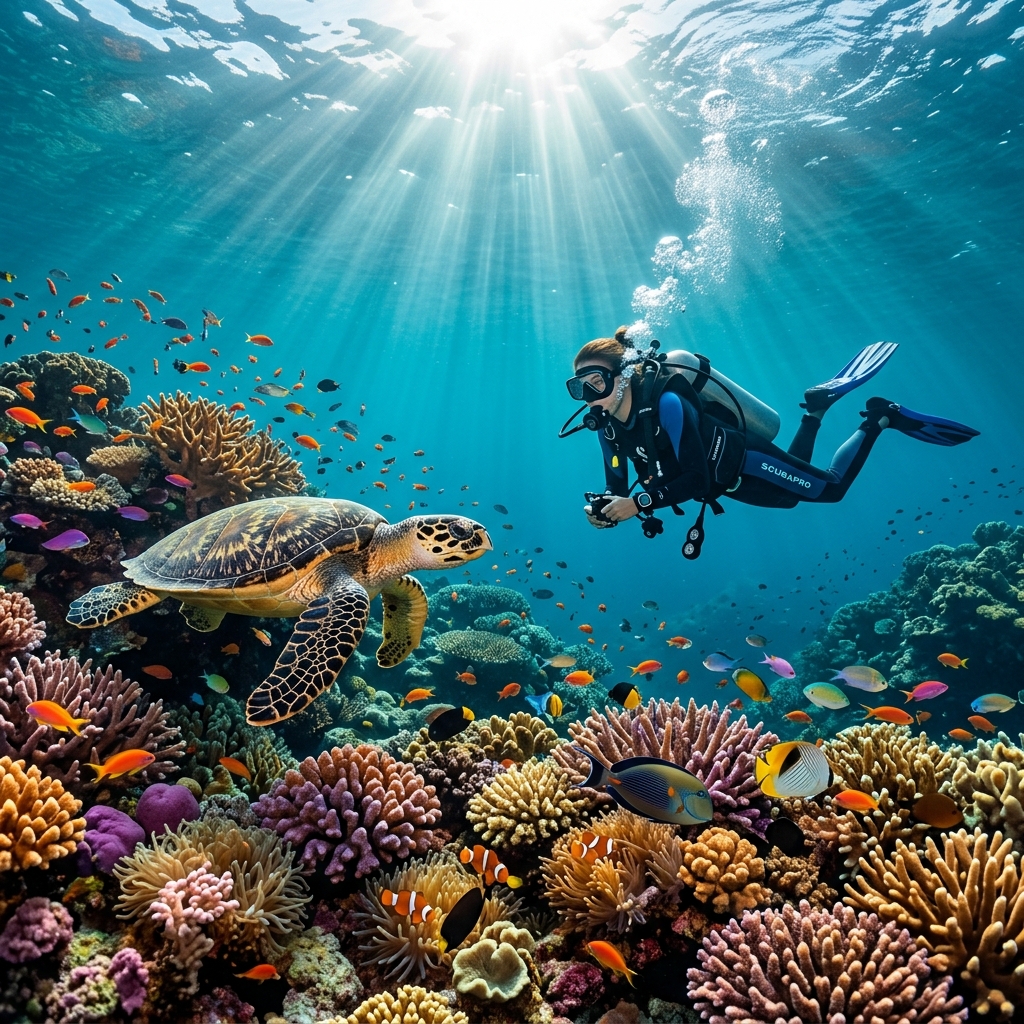
What Makes Chole Bay Diving Special?
- Intact Corals & Marine Life: The marine park boasts an incredible census of 48 genera of hard corals and over 400 species of reef fish. You will swim through clouds of snapper and fusiliers, spot massive potato groupers, reef sharks, and glide alongside hawksbill and green sea turtles.
- The Rare Dugong: Mafia's seagrass meadows are one of the last remaining refuges in East Africa for the dugong (Dugong dugon), an incredibly rare and peaceful marine mammal.
- Top Dive Sites:
- Kinasi Pass: A thrilling drift dive through the narrow channel connecting Chole Bay to the open ocean. You can spot large pelagics, giant barracudas, and reef sharks.
- Coral Garden: A shallow, sun-drenched sanctuary perfect for underwater photography and long, relaxing snorkel sessions.
- Milimani: A stunning dive site dominated by giant dome corals and teeming with tiny macro life like nudibranchs and leaf fish.
3. Step Back in Time on Chole Island
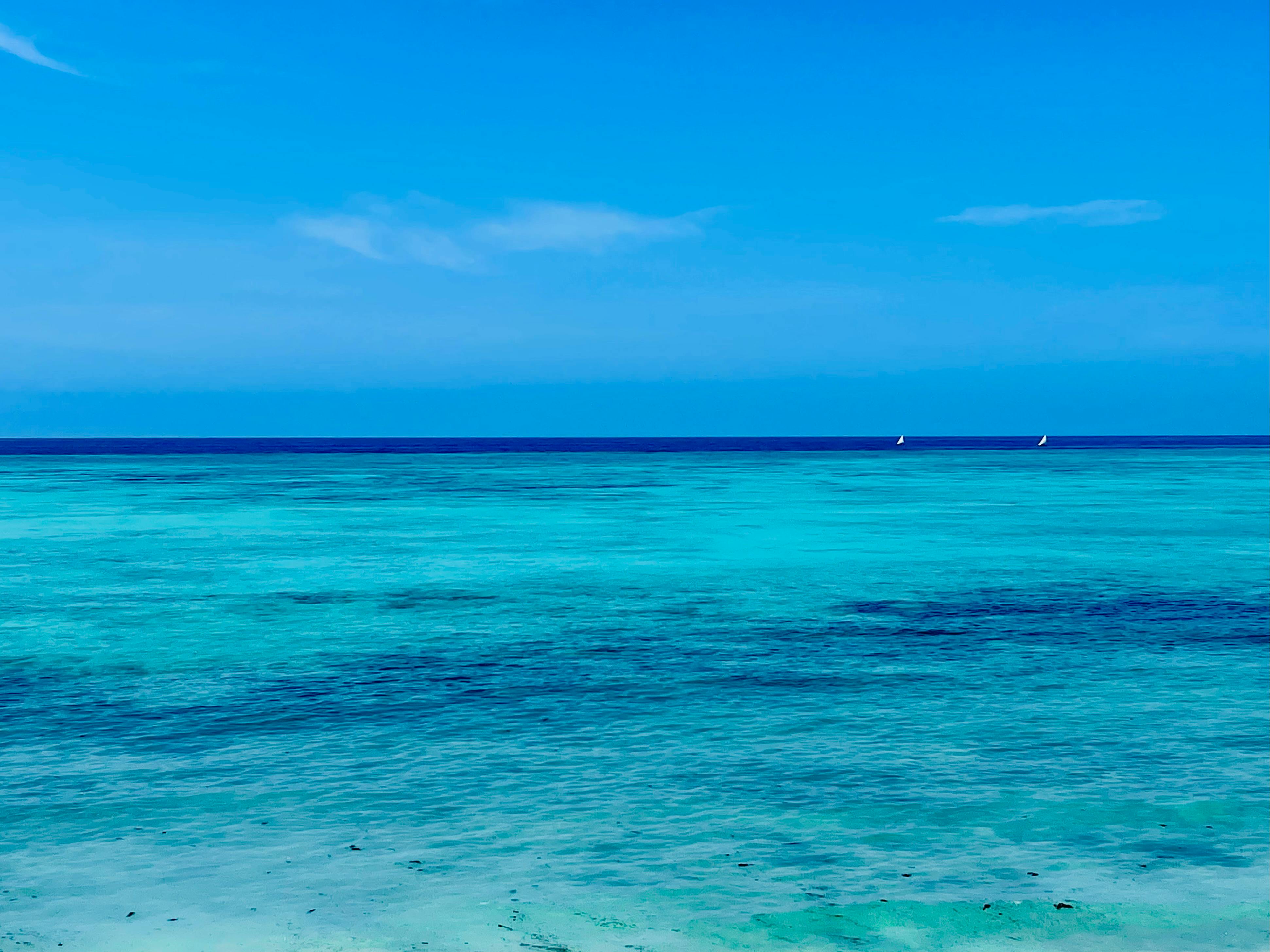
Located just a short, 10-minute traditional wooden dhow ride across the bay from Utende is Chole Island, a tiny, peaceful islet where time seems to have stopped entirely.
Chole Island is a fascinating mix of lush jungle, active Swahili community life, and evocative history.
What to See on Chole Island:
- Historic Ruins: Wander through the atmospheric, vegetation-draped ruins of 19th-century Arab and German buildings.
- Ancient Baobabs: The island is home to massive, ancient baobab trees that have stood for centuries.
- The Flying Foxes: Chole is famous for its colony of Comoro flying foxes (Pteropus seychellensis comorensis), giant fruit bats with a wingspan of over one meter. You can watch them roosting in the tops of the baobabs.
- Traditional Boat Building: Walk along the shore to watch local artisans carve traditional wooden dhows using manual tools and ancient methods handed down through generations.
4. Juani Island and the Enchanting Blue Lagoon
Directly opposite Chole is Juani Island, a rugged, forested island bordered by tall cliffs of fossilized coral. Juani is famous for two incredible natural wonders:
- The Blue Lagoon: A massive tidal swimming pool hidden deep inside a mangrove forest. As the tide rushes in, the pool fills with crystal-clear, emerald-green water. It is a magical place for a peaceful swim surrounded by wild nature.
- Kua Ruins & Swahili History: Deep in Juani lies Kua, which rose between the 12th and 15th centuries as a grand coral-stone Swahili city of mosques and palaces, representing the height of Swahili zenith.
- Green Turtle Hatchlings: Juani Island's eastern beaches are major nesting sites for green turtles (Chelonia mydas). Under local conservation projects, you can witness hundreds of tiny baby turtles hatching from the sand and making their brave journey down to the ocean.
A Glimpse into Mafia’s 1,200-Year History
Mafia Island’s position along the Indian Ocean trade winds has given it a rich, diverse history spanning twelve centuries of traders, sultans, and reefs:
- 8th Century (Shirazi Trade): Persian merchants establish a thriving port at Kisimani Mafia on the south-west coast of the island.
- 12th – 15th Century (Swahili Zenith): The city of Kua on Juani Island rises as a wealthy, coral-stone trading hub filled with mosques and palaces.
- 1505 (Portuguese Arrival): Portuguese caravels claim the archipelago for the spice route, introducing European presence.
- 1820s (Omani Zanzibar): The Sultanate of Oman absorbs Mafia into its coastal realm, bringing Arab architectural and cultural influences.
- 1890 (German East Africa): German colonizers establish massive coconut plantations across the lowlands of Mafia.
- 1961 (Tanganyika): Tanganyika achieves independence, and Mafia joins the new state, which later unites with Zanzibar to form Tanzania.
- 1995 (Tanzania's First Marine Park): Mafia Island Marine Park is founded, establishing a new global standard for community-led marine conservation.
How the Island Lives: Economy & Livelihoods
Mafia remains an authentic working island where the local population is closely tied to the natural resources of the land and sea:
- Fishing (42% of work): Traditional dhow and outrigger crews work the channels and reefs. The daily catch consists heavily of octopus, tuna, and kingfish, sold fresh at Kilindoni market before noon or smoked for the mainland trade.
- Coconut & Cassava (28% of work): Smallholdings of palms, mangoes, cashews, and rice paddies dominate the interior.
- Tourism & Guiding (18% of work): Concentrated around the eco-lodges and dive shops of Chole Bay.
- Services & Govt (12% of work): Schools, clinics, the Marine Park administration, and the airstrip at Kilindoni.
5. Practical Travel Guide for Mafia Island
How to Get There
- By Air (Recommended): The fastest and most reliable way is to take a short, 30-minute flight from Dar es Salaam (DAR) or a 45-minute flight from Zanzibar (ZNZ) directly to Kilindoni Airstrip. Operators like Coastal Aviation and Auric Air run multiple flights daily.
- By Dhow (For Adventurers): Unlike Zanzibar, there are no commercial passenger or car ferries running to Mafia Island. The only water route is a 4-to-6 hour crossing on a traditional wooden dhow from the mainland port of Nyamisati to Kilindoni. This route is highly unpredictable and not recommended for standard tourists.
Entry Fees
Because most activities take place inside the protected park boundaries, visitors must pay a daily marine park fee.
- Fee: $23.60 USD per person per day (inclusive of tax).
- Payment: Paid at the park gate near Utende via credit/debit card.
Money & Cash
- Crucial Tip: Bring plenty of cash (USD or Tanzanian Shillings)! Mafia Island has only two ATMs (both located in Kilindoni), and they are frequently out of cash or offline. Local restaurants, boat captains, and dive shops only accept cash.
Download the Mafia Island Field Guide Infographic
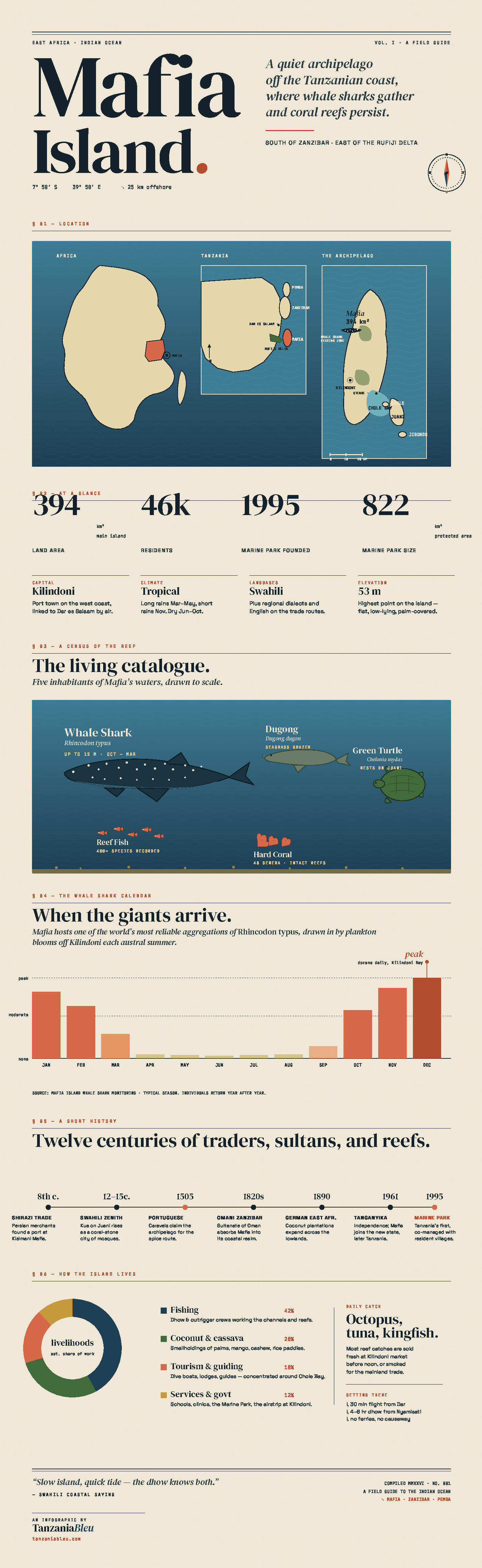
Want to take all this information with you? We have created a stunning, high-resolution Field Guide Infographic of Mafia Island, detailing its location, reef inhabitants, whale shark calendar, history, and economy in a beautiful cartoon/infographic layout.
➡️ Download the High-Resolution PDF Infographic Here
Final Thoughts: Why Mafia Island is Non-Negotiable
If Zanzibar is a high-energy, sparkling cocktail, Mafia Island is a warm cup of spiced Swahili tea enjoyed at sunset. It is an island of whispers, rustling palms, and gentle sea giants.
Whether you are a passionate scuba diver, an eco-conscious traveler, or simply someone searching for the quiet, raw beauty of the East African coast, Mafia Island will capture your soul in a way few places can.
Karibu Mafia! Plan your journey, respect the reefs, and dive into the blue.
Tags for this post
React to this article
Enjoyed this article?
Share it with your friends!