
Beyond the Shutter: Photography Ethics & Wildlife Etiquette in Tanzania (Capturing Beauty Responsibly & Respecting the Wild)

You’ve journeyed to the heart of Tanzania, armed with your camera, ready to immortalize the majestic lion, the sweeping plains, and the vibrant culture. The dream of capturing that ‘perfect shot’ is powerful, a desire to bottle the magic of the moment forever. But as photographers and travelers in this pristine wilderness, we carry a profound responsibility. Our lens has the power to both celebrate and inadvertently harm. This guide delves into photography ethics and wildlife etiquette in Tanzania, combining essential technical tips with critical responsible tourism principles. Let’s explore how to capture Tanzania’s breathtaking beauty responsibly, ensuring your pursuit of the perfect photograph never comes at the cost of disturbing the incredible wildlife you’ve traveled so far to admire.
Respectful Distances: Your Zoom is Your Best Friend, Not Your Feet
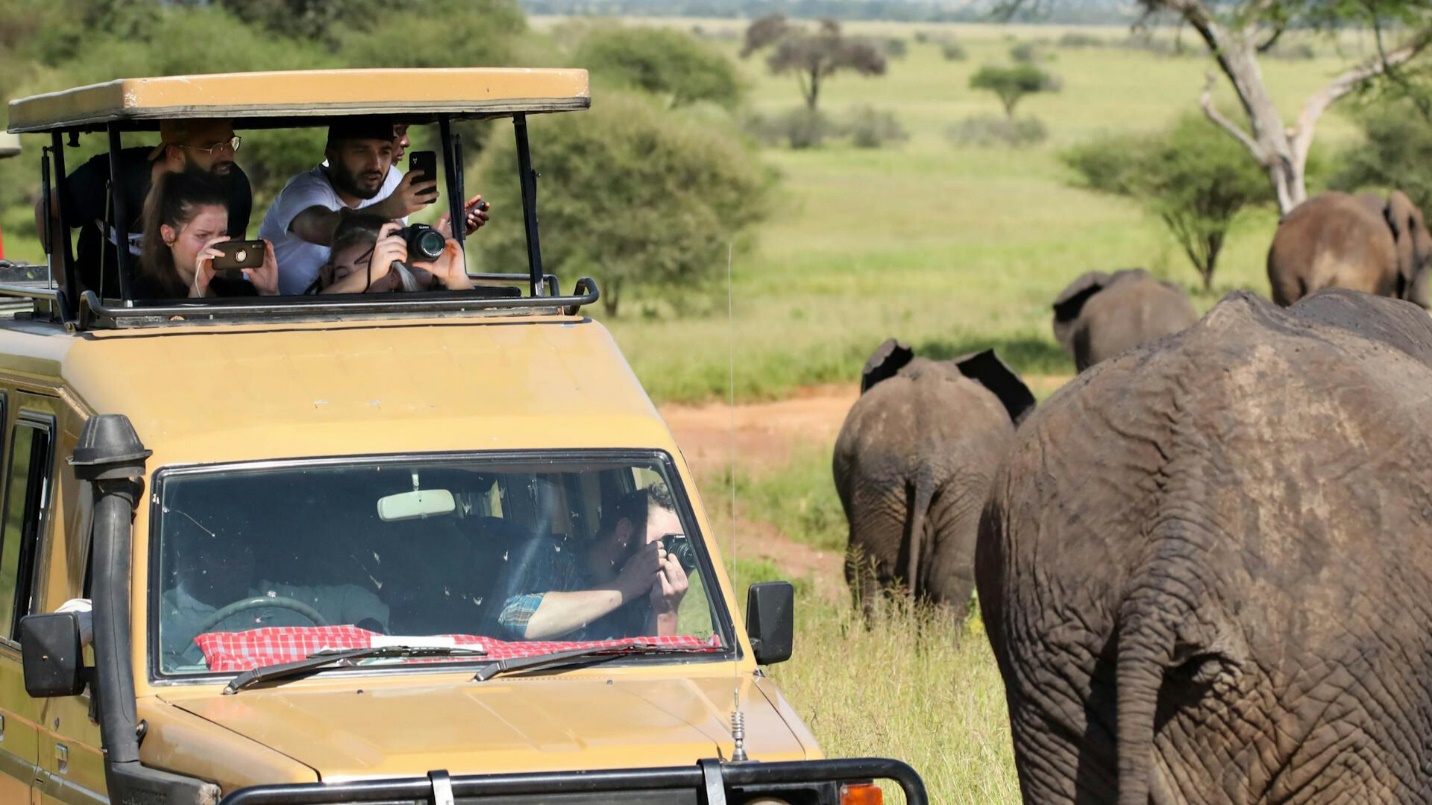
This is the golden rule of Tanzania wildlife photography. Getting too close to animals can stress them, alter their natural behavior (feeding, hunting, mating), or even provoke a dangerous reaction (for you and them).
- The Etiquette: Always maintain a respectful and safe distance from all wildlife. Your safari guide is the expert; they know the park rules and animal behavior- follow their lead implicitly. Never demand they drive closer than advised.
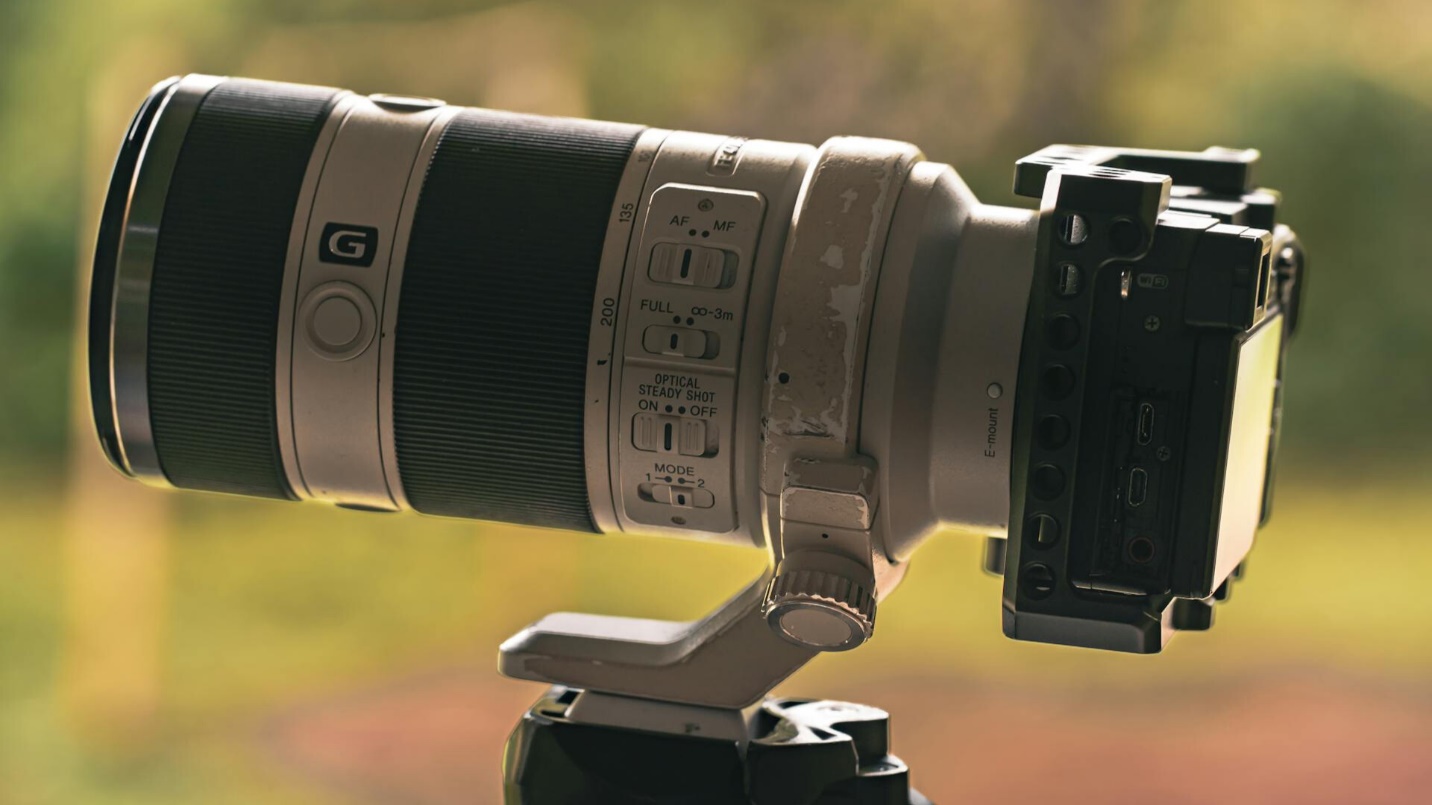
- The Photography Tip: Invest in a good telephoto lens (200mm to 500mm+). This allows you to fill the frame with your subject without infringing on their space. Cropping in post-processing is also an option for closer shots.
Flash Photography at Night: Disorienting, Not Illuminating
The allure of capturing nocturnal animals is strong, but using a flash at night can be incredibly disruptive and harmful.
- The Etiquette: Most national parks in Tanzania prohibit or strictly limit the use of flash photography after dark, especially near sensitive species. Always ask your guide before even considering using a flash.
- The Why: Animals’ eyes are highly adapted to low light. A sudden, bright flash can cause temporary blindness, disorientation, fear, and interrupt critical behavior like hunting or feeding.
- The Photography Tip: If permitted, use very weak, filtered, spotlights (usually provided by the guide), or rely on high ISO settings, wide-aperture lenses (f/2.8 or f/4), and a steady hand (or tripod/beanbag) to capture ambient light. Some photographers use specialized red-light headlamps to help focus without disturbing.
Drone Photography: Highly Restricted & Often Illegal
The aerial perspective of a drone can seem ideal for capturing the vastness of the Serengeti, but drone usage in Tanzania’s national parks is extremely restricted and generally prohibited without extensive prior permits.
- The Etiquette: Do NOT bring a drone into Tanzania without first obtaining all necessary permits from the Tanzania Civil Aviation Authority, the Ministry of Natural Resources and Tourism, and the specific park authorities like TANAPA. This process is lengthy, complex, and often reserved for specific commercial or research purposes. Attempting to fly a drone without permits can lead to confiscation, heavy fines, and even legal action.
- The Why: Drones can cause severe disturbance to wildlife (especially birds, herd animals, and predators with young), pose security risks, and interfere with light aircraft used for park operations.
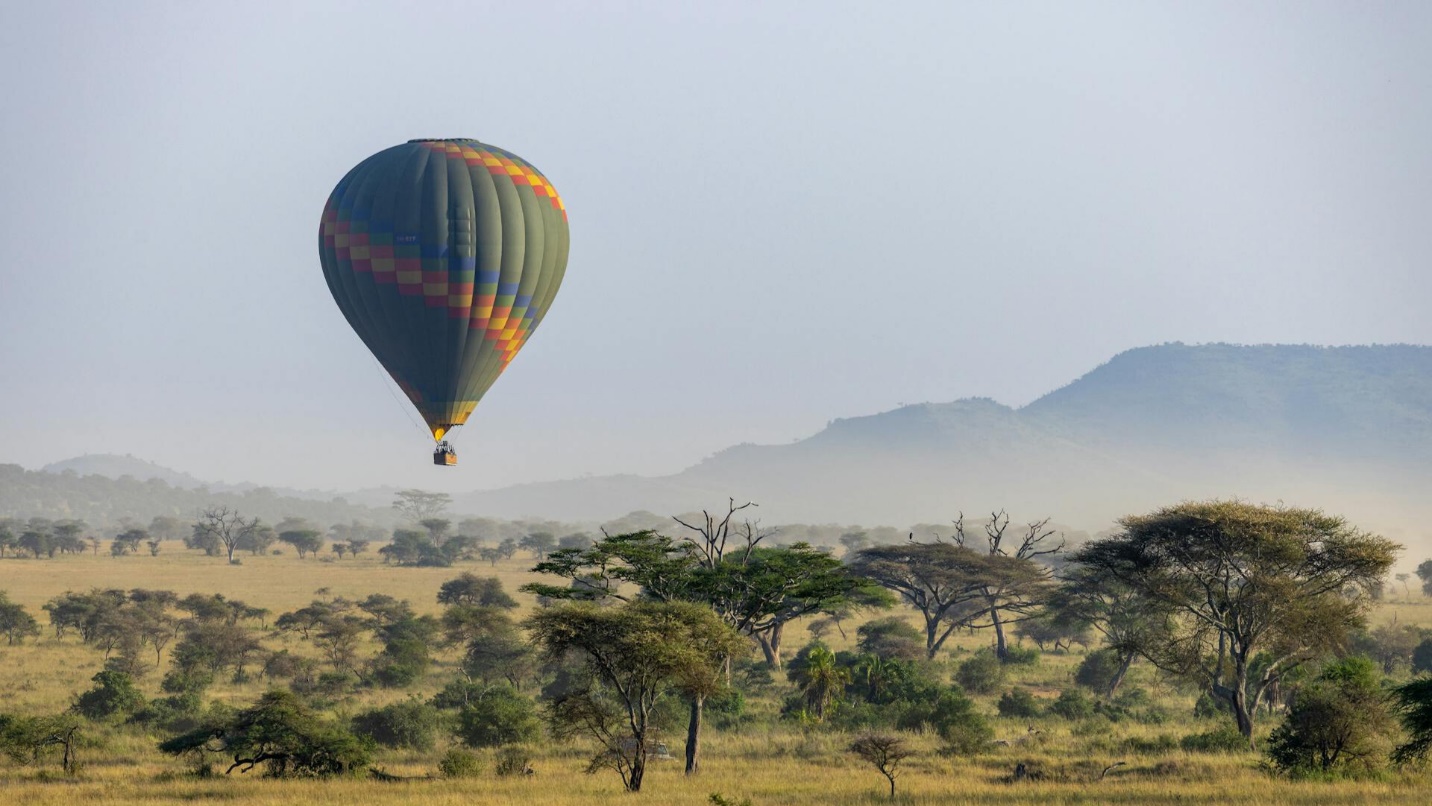
- The Photography Tip: Respect the rules. Utilize hot air balloon safaris for incredible aerial perspectives (these are legal and controlled) or ask your guide for elevated viewpoints accessible by vehicle.
- Official Resource: Always check the Tanzania Civil Aviation Authority website for the latest drone regulations.
Minimizing Disturbances: Observe, Don’t Interact or Provoke
Capturing authentic wildlife moments means ensuring the animals remain in their natural state. Our presence should be as unobtrusive as possible.
- The Etiquette:
- Keep Noise Down: Speak in hushed tones. Avoid sudden noises, shouting, or clapping.
- Stay in Vehicle: Never exit the safari vehicle unless at designated, safe spots and always with your guide’s permission.
- No Calls or Enticements: Never make sounds to attract an animal’s attention. Do not throw food or objects.
- Patience: The best shots often come to those who wait quietly, allowing for nature to unfold. Rushing or demanding a reaction is unethical.
- The Photography Tip: Use a beanbag on the vehicle window for stability, allowing for longer exposures or sharper shots without needing to make noise getting a tripod out. Pre-focus where possible.
The Heart of Responsible Wildlife Photography: Your Ethical Checklist
- Animal Welfare First: The well-being of the animal always takes precedence over getting a photograph.
- Follow Park Rules: These are in place for safety (yours and the animals’) and conservation.
- Respect Your Guide: They are your local expert and authority in the wilderness.
- Leave no Trace: Take only photos, leave only footprints (and even those are minimized by staying in the vehicle).
- Educate Others: Share these ethics with fellow travelers.
Capture the Magic, Honor the Wild!
Your Tanzania safari is a journey into the extraordinary. By embracing photography ethics & wildlife etiquette, you elevate your experience from a simple photo shoot too a profound act of respectful observation. The most powerful images aren’t just technically perfect; they are those that genuinely capture the untamed spirit of Tanzania’s wildlife, undisturbed and truly free. So, focus on your lens, honor the wild, and create memories that are as responsible as they are breathtaking.
What’s the most beautiful wildlife photo you’ve taken while prioritizing ethical observation? Share your experience and tips for responsible photography in the comments below!
Tags for this post
React to this article
Enjoyed this article?
Share it with your friends!
You might also like
Safari Etiquette: Unwritten Rules for an Unforgettable & Respectful Wildlife Encounter
Master the essential unwritten rules of safari etiquette to ensure a respectful, safe and unforgettable wildlife experience in Tanzania.
Beyond The Lens: When Human Curiosity Threatens the Great Migration
The heart-stopping spectacle of the Great Wildebeest Migration draws millions of visitors, but recent incidents reveal a troubling trend: are tourists becoming a threat to the very wildlife they travel to admire? A call for conscious safari practices.

Instagram Gold: Tanzania’s Most Cinematic Photo Spots
Discover the most photogenic spots in Tanzania — from the Serengeti to Stone Town, from Kilimanjaro to Zanzibar beaches. A guide for travelers and Instagram lovers alike.
Respectful Traveler: Essential Tanzanian Customs & Etiquette
Learn the key customs, greetings, dress codes, and tips for engaging respectfully with locals during your trip to Tanzania.