
Smooth Safari, Clear Peaks: Dealing with Safari Sickness & Altitude Sickness in Tanzania (Prevention, Remedies and When to Seek Help)


Your heart is set on Tanzania: envisioning thrilling game drives through the Serengeti, or conquering the majestic slopes of Kilimanjaro. These incredible adventures promise breathtaking views and unforgettable moments. But amidst the excitement, it’s wise to be prepared for some common physical challenges: the bumpy roads of safari can lead to safari sickness, and the high altitudes of Kilimanjaro can bring altitude sickness. This guide provides specific, detailed health tips for these common ailments in Tanzania, covering essential prevention, effective remedies, and crucial advice on when to seek help, ensuring your Tanzania adventure is as comfortable and exhilarating as possible!
Safari Sickness (Motion Sickness on the Plains): Keeping Your Stomach Steady
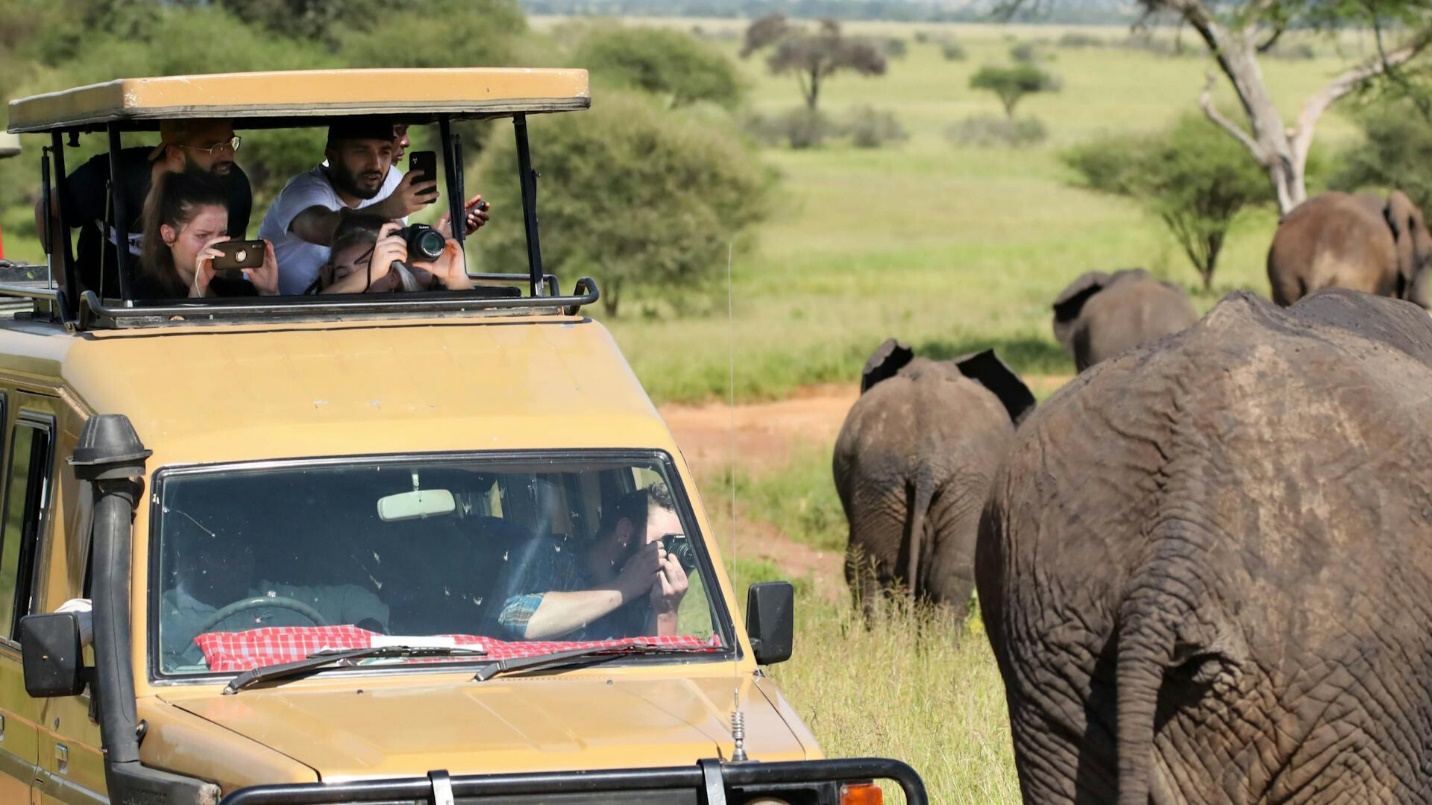
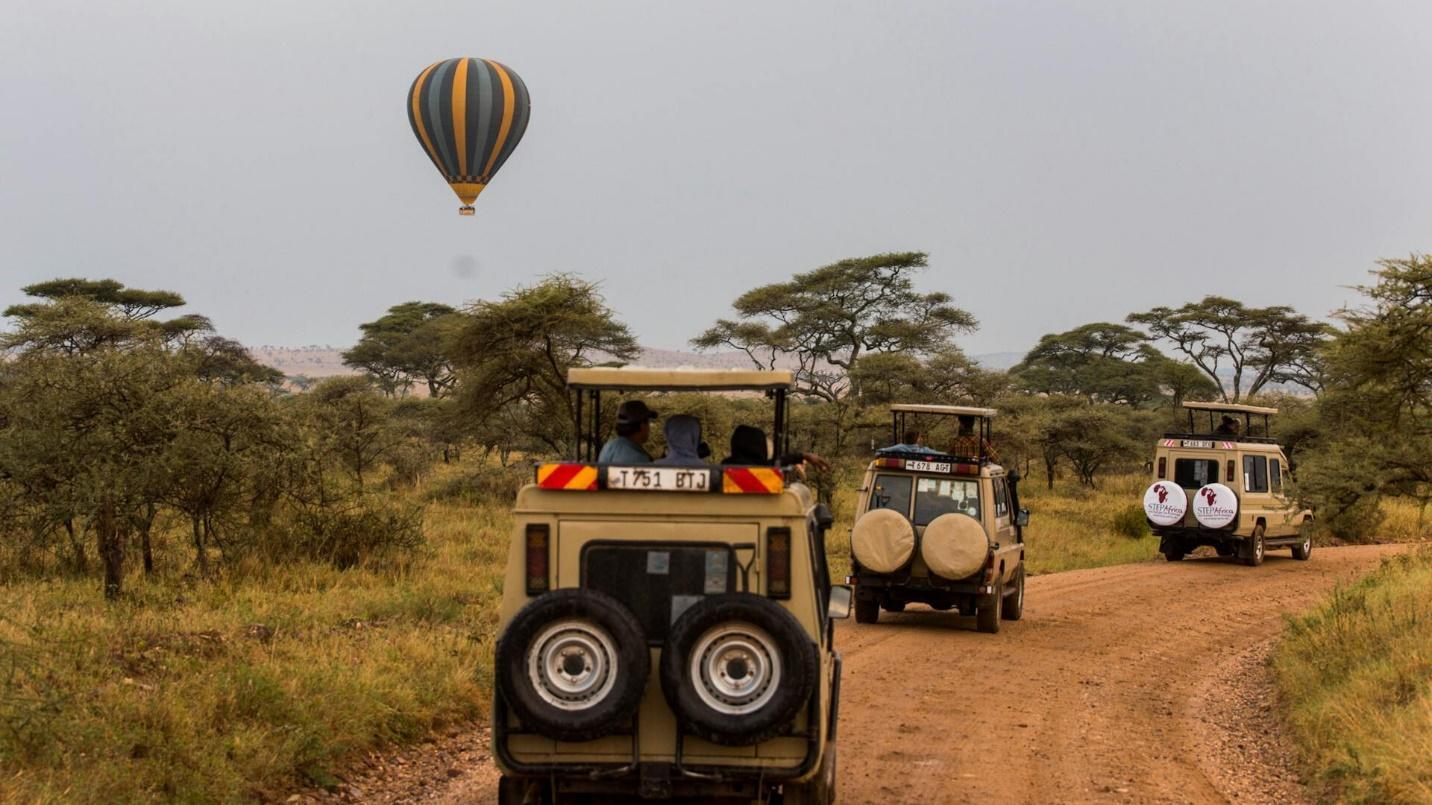
Those iconic safari roads, while leading to incredible wildlife, can sometimes be rough, dusty, and winding. This unpredictable motion can trigger motion sickness (often called “safari sickness” in this context) for susceptible individuals.
- The Symptoms: Nausea, dizziness, vomiting, cold sweats, headache.
- Prevention is Your Best Defense:
- Prophylactic Medication: Over-the-counter antihistamines like Meclizine can be very effective. Take them 30-60 minutes before your game drive starts. They can cause drowsiness, so test them first.
A scopolamine patch (a prescription patch) placed behind the ear can be effective for up to 3 days. Discuss with your doctor first.
- Strategic Seating: Sit in the front seat of the safari vehicle if possible, or near a window, to maintain a clear view of the horizon. Avoid reading or looking at your phone during bumpy rides.
- Fresh Air: Ask your guide to keep the pop-up roof or window open for fresh air.
- Light Meals: Eat light, non-greasy meals before game drives. Avoid heavy, spicy, or fatty foods.
- Ginger: Ginger candies, ginger chews, or ginger tea can help some people.
- Remedies (If Symptoms Strike):
- Focus on the horizon.
- Close your eyes and take deep breaths.
- Chew ginger or a dry biscuit.
- Ask your guide to stop for a moment for fresh air if it’s safe.
- When to Seek Help: If vomiting persists, leading to dehydration, or if symptoms don’t subside after a day and are severely impacting your well-being, consult your guide, who can arrange for medical service.
Altitude Sickness (Acute Mountain Sickness- AMS): Conquering Kilimanjaro Safely
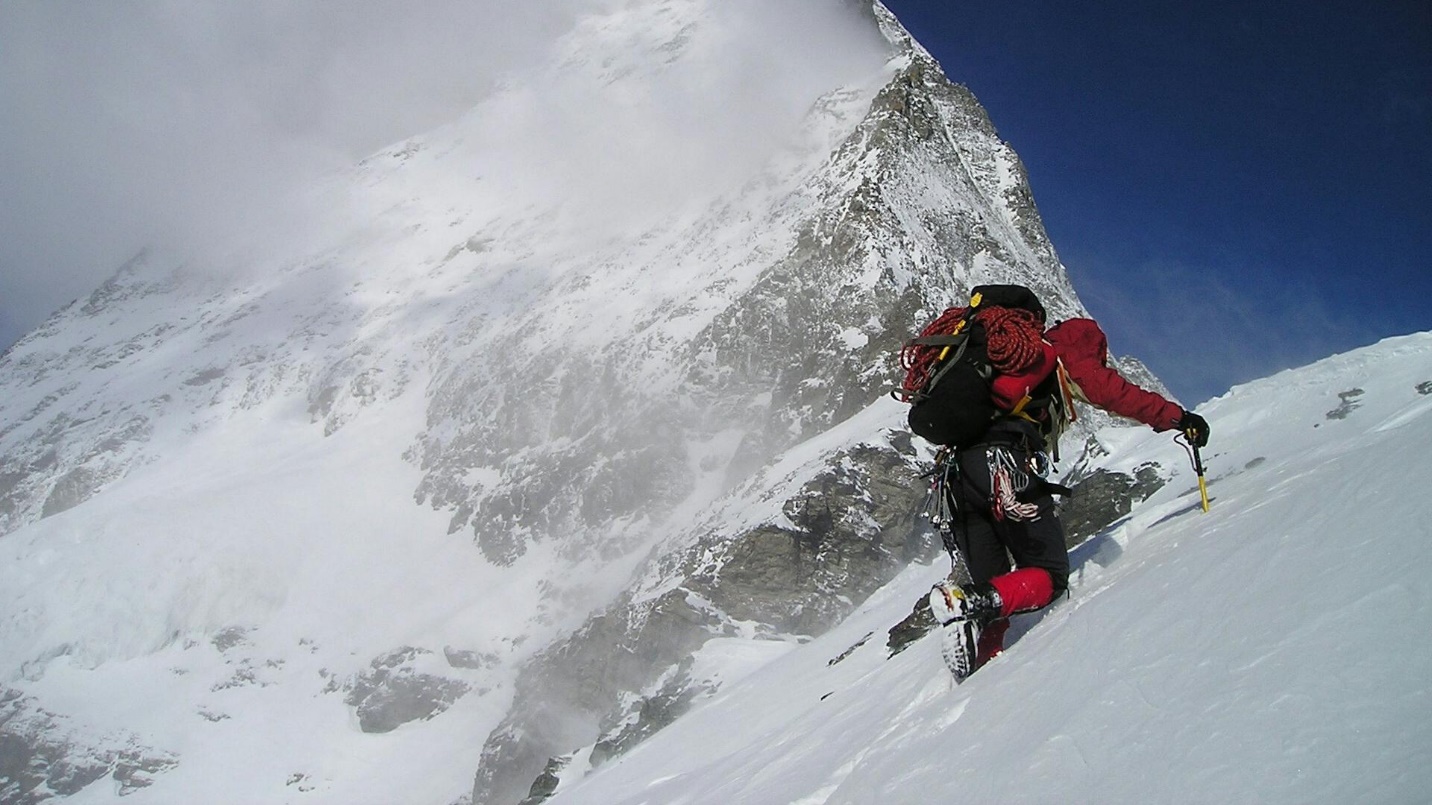
Kilimanjaro is Africa’s highest peak, and ascending to such altitudes (above 2,500m or ~8,000ft) carries a lot of risk of AMS, and in rare cases, even more severe forms like HACE (High Altitude Cerebral Edema) or HAPE (High Altitude Pulmonary Edema). AMS is common and manageable; severe forms are dangerous.
- The Symptoms:
- Mild AMS: Headache, nausea (may or may not vomit), dizziness, fatigue, loss of appetite, shortness of breath on exertion, difficulty sleeping. These are common and usually resolve with rest and descent.
- Severe AMS: Worsening symptoms, severe headache unresponsive to medication, persistent vomiting, confusion, irrational behavior, loss of coordination (ataxia- unable to walk in a straight line), persistent cough, increasing shortness of breath at rest, crackling breath. These require immediate medical attention and urgent descent.
- Prevention is Paramount:
- Gradual Ascent (Pole Pole): The single most important factor. Choose longer routes (7+ days is ideal) to allow your body to acclimatize slowly. Never rush.
- Hydration: Drink plenty of fluids (3-5 liters of water/tea daily). Dehydration worsens AMS.
- Acetazolamide: Discuss this prescription medication with your doctor. It can help prevent and treat AMS by aiding acclimatization. Start taking 24-48 hours before ascending above 2,500m.
- Avoid Alcohol, Tobacco, Sedatives: especially during the climb.
- Good Nutrition: Eat well, even if your appetite is reduced.
- Rest: Get as much sleep as possible.
- Remedies (for Mild AMS):
- Stop Ascending: Do not go higher until symptoms resolve.
- Hydrate & Rest: Drink water, eat light, rest at your current altitude.
- Pain Relievers: For headaches (e.g., ibuprofen).
- If symptoms worsen or do not improve, descend.
- When to Seek Help (for Moderate to Severe AMS):
- Immediate Descent! This is the primary treatment for severe AMS. Do not delay.
- Inform your Guide: Your Kilimanjaro trekking guides are highly trained in altitude sickness recognition and response. Tell them immediately if you or someone in your group experiences worsening symptoms. They carry emergency oxygen and will initiate descent when necessary.
- Emergency Services: Guides are connected to park rescue services for more serious evacuations.
General Health & Safety Tips for Your Tanzania Trip:
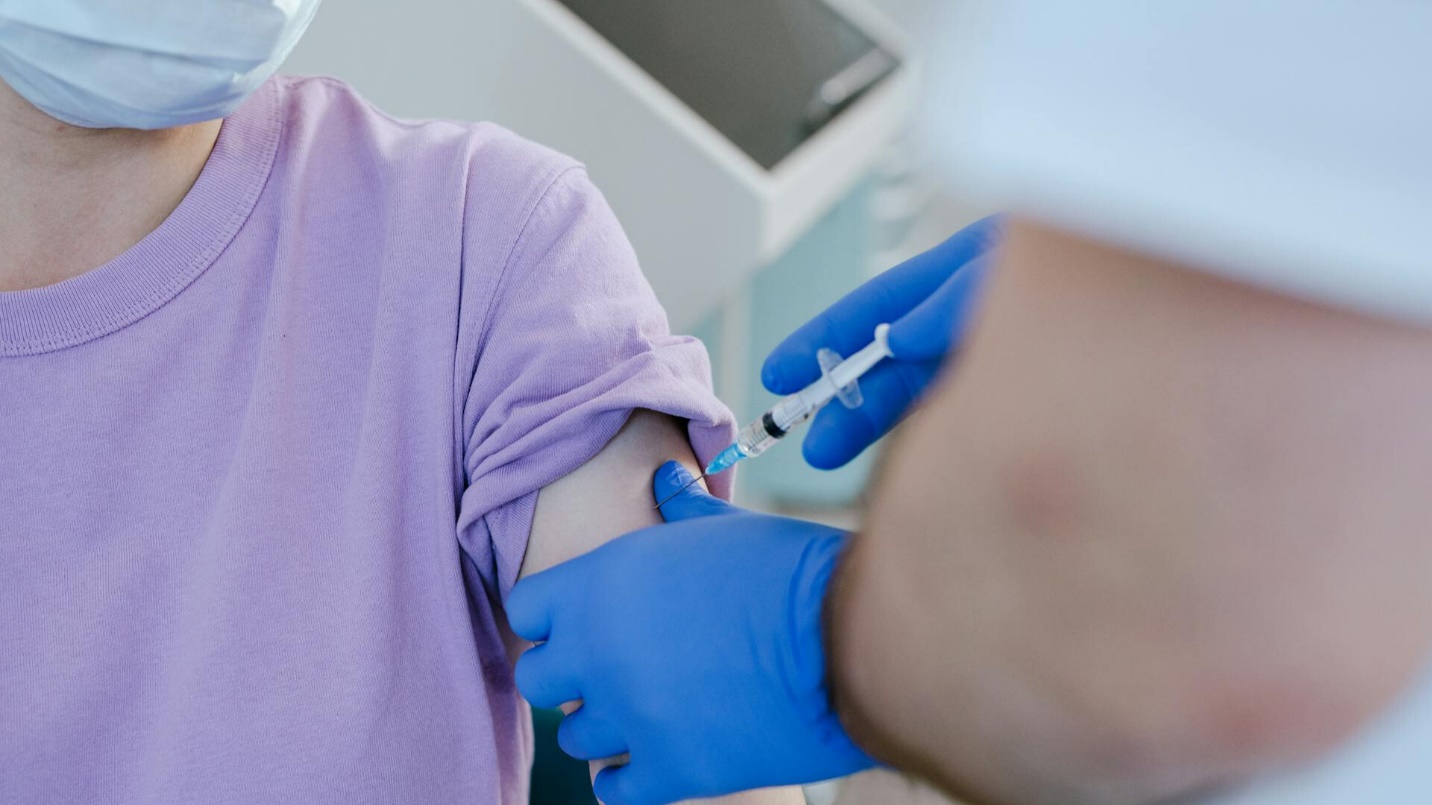
- Consult Your Doctor: Before any trip to Tanzania, consult your doctor or a travel clinic (6-8 weeks prior) for vaccinations and antimalarial medication. Discuss the above-suggested medication with your doctor.
- Personal First Aid Kit: Carry essential medication (pain relievers, anti-diarrhea, rehydration salts, blister treatment).
- Stay Hydrated: Drink plenty of bottled or purified water throughout your trip, especially in hot climates.
- Food Hygiene: Eat hot, freshly cooked food. Avoid unpeeled fruits and raw salads.
- Sun Protection: Use high SPF sunscreen, wear a wide-brimmed hat, and sunglasses.
- Travel Insurance: Ensure you have comprehensive travel insurance covering emergency medical treatment and evacuation, especially for high-altitude trekking and adventure activities.
Adventure Awaits, Healthy & Strong!
Being prepared for safari sickness and altitude sickness in Tanzania isn’t about fear; it’s about empowering you to enjoy every moment of your extraordinary journey with confidence. By implementing these prevention tips, knowing and having your remedies, and understanding when to seek help, you ensure your focus remains on the breathtaking beauty of the wild, allowing you to create incredible moments that are as healthy as they are exhilarating.
What’s your to-go trick for avoiding motion sickness, or your best advice for preparing for high altitude? Share your wisdom in the comments below!
Tags for this post
React to this article
Enjoyed this article?
Share it with your friends!
You might also like
Health & Safety in Tanzania: Essential Precautions for a Worry-Free Trip (Malaria, Water, Food & Personal Security)
Health & Safety in Tanzania: Essential Precautions for a Worry-Free Trip (Malaria, Water, Food & Personal Security)...

Adventure Awaits, Safely: Navigating Travel Insurance with Pre-Existing Conditions for Your Tanzania Trip (Your Guide to Worry-Free Exploration)
Adventure Awaits, Safely: Navigating Travel Insurance with Pre-Existing Conditions for Your Tanzania Trip (Your Guide to Worry-Free Exploration)...
Safari Scares & Medical Miles: Why Tanzania Travel Insurance is Non-Negotiable (Beyond Basic Coverage & New Realities)
Planning a Tanzania trip involves more than booking game drives; it requires a realistic assessment of potential hurdles. Comprehensive travel insurance, particularly with extensive medical and evacuation benefits, is a non-negotiable component. It ensures that a common travel incident, like a vehicle accident on a rural road or a sudden illness, does not become a financially crippling event due to the complexities of receiving care in a remote region.
Ticket to Paradise: Your Tanzania Travel Dream Checklist (Essential Pre-Trip Planning for Your African Adventure)
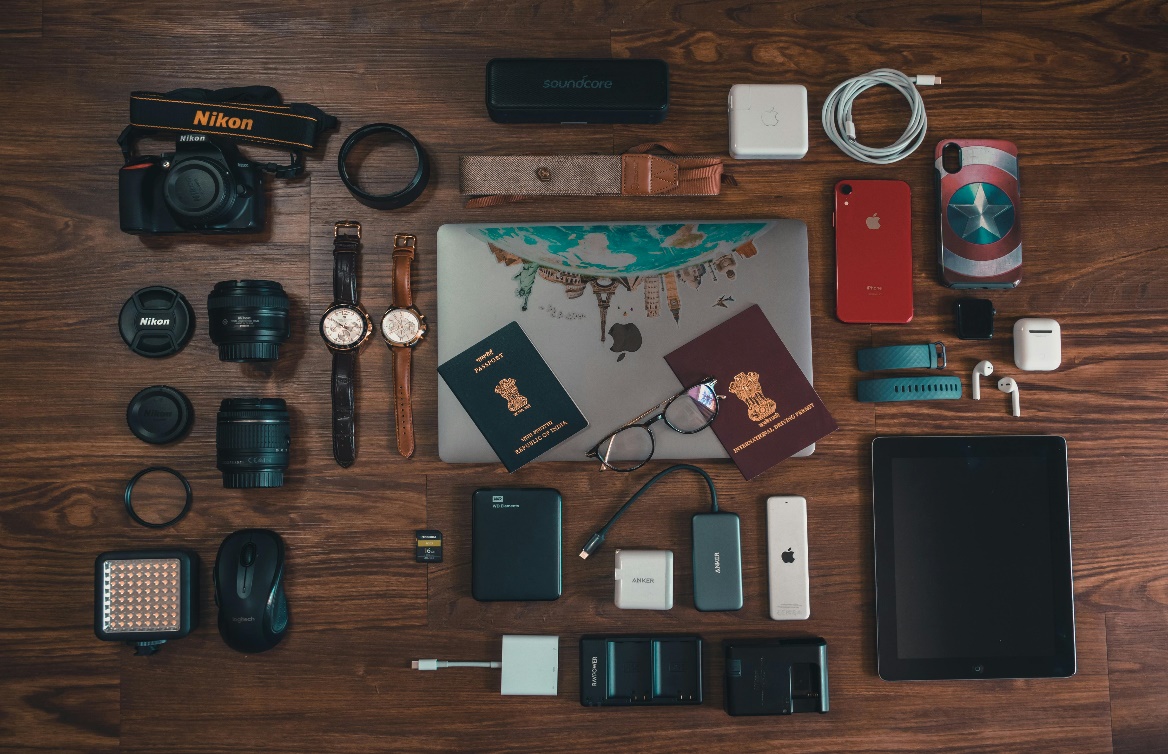
From the golden savannas of the Serengeti to Zanzibar’s beaches, where the air smells like cinnamon and salt, this is a pre-trip checklist you’ll need. Visas? Check. Vaccines? Sorted