
Health & Safety in Tanzania: Essential Precautions for a Worry-Free Trip (Malaria, Water, Food & Personal Security)

The call of Tanzania’s wild plains and vibrant coasts is irresistible, promising an adventure of a lifetime. But for a truly worry-free trip, a little preparation goes a long way, especially when it comes to health and safety in Tanzania. While serious incidents are rare, being informed and taking essential precautions can ensure your focus remains squarely in the magic of the moment, rather than unexpected concerns. This guide will cover key areas- malaria, water, food, and personal security- equipping you with the knowledge to embark on a worry-free Tanzania trip that prioritizes your well-being every step of the way.
Battling the Bite: Malaria & Mosquito-Borne Illnesses
Malaria is present in many parts of Tanzania, especially in coastal areas and lower altitudes. Dengue fever is also a risk:
- The Precaution:
- Antimalarial Medication: Consult your doctor well in advance (at least 6-8 weeks before your trip) about suitable antimalarial prophylaxis. Be diligent about taking it as prescribed.
- Mosquito Repellent: Use a mosquito repellent containing DEET (20-35%), Picaridin, or oil of lemon eucalyptus, especially at dawn and dusk.
- Protective Clothing: Wear long sleeves and pants during peak mosquito hours.
- Nets: Ensure your accommodation (especially in safari camps or budget lodgings) has intact mosquito nets over beds, and use them.
Hydration & Hygiene: Water & Food Safety
“Traveler’s stomach” can quickly derail an adventure. Being mindful of what you consume is key.
- Water Wise:
- The Precaution: Drink only bottled, filtered, or boiled water. Avoid tap water, even for brushing teeth, and confirm ice drinks are made of purified water.
- The Why: Tap water can contain bacteria or parasites your system isn’t used to.

Food Smart:
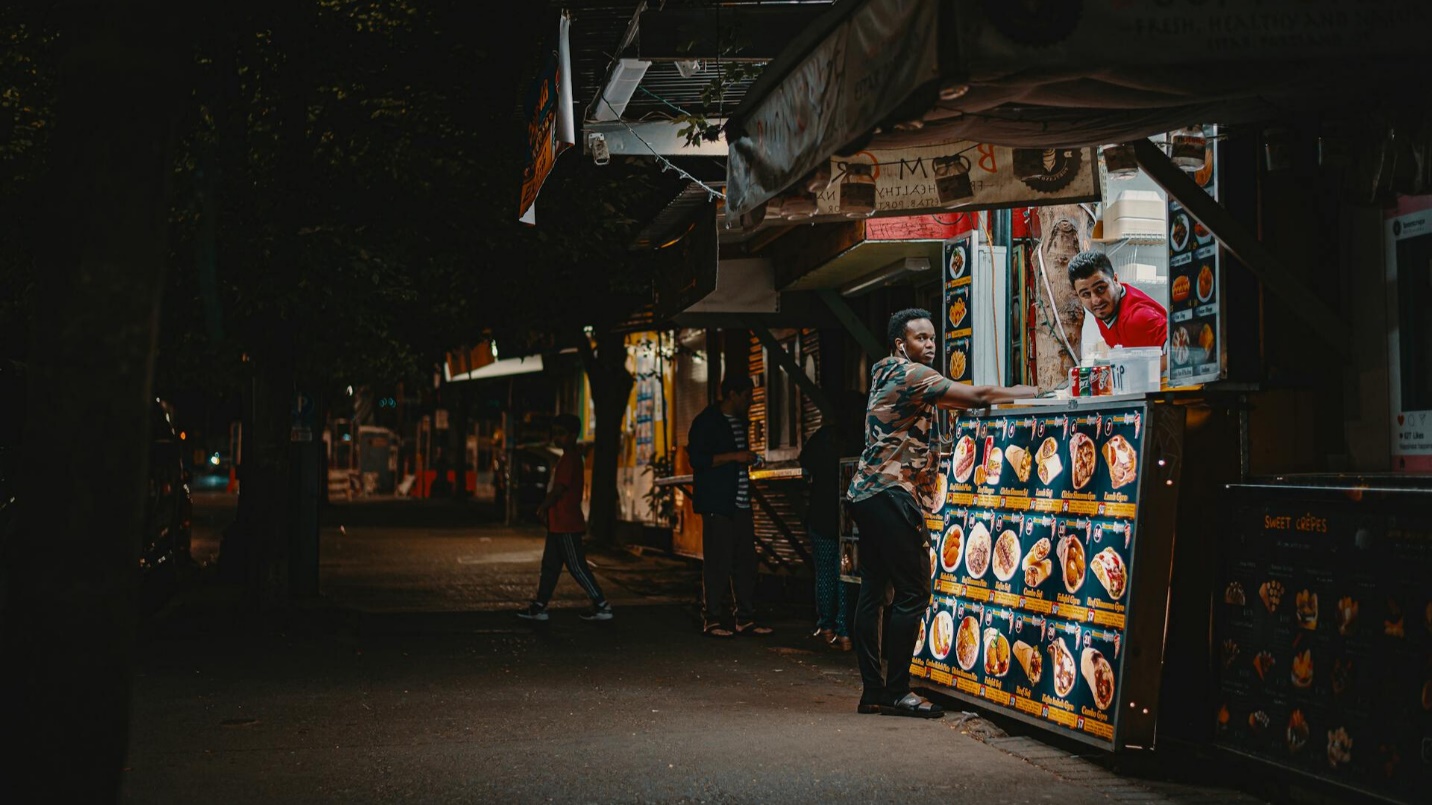
- The Precaution: Eat hot, freshly cooked food. Avoid raw or undercooked meats, unpeeled fruits, and salads washed in tap water, especially from street vendors. Choose busy street food stalls where food is cooked to order- high turnover means freshness.
- The Why: Contaminated food is a major source of illness.
Personal Security: Staying Safe in Cities & on Safari
While Tanzania is generally welcoming, common-sense precautions are always advisable.
- In Cities (Dar es Salaam, Arusha, Stone Town):
- The precaution: Be aware of your surroundings, especially in crowded markets or busy streets. Avoid walking alone at night. Use reputable taxis arranged by your hotel or guide. Keep valuables out of sight, and don’t flash large amounts of cash or expensive jewelry.
- The Why: Pickpocketing and bag snatching can occur, as in any major city globally.
- On Safari:
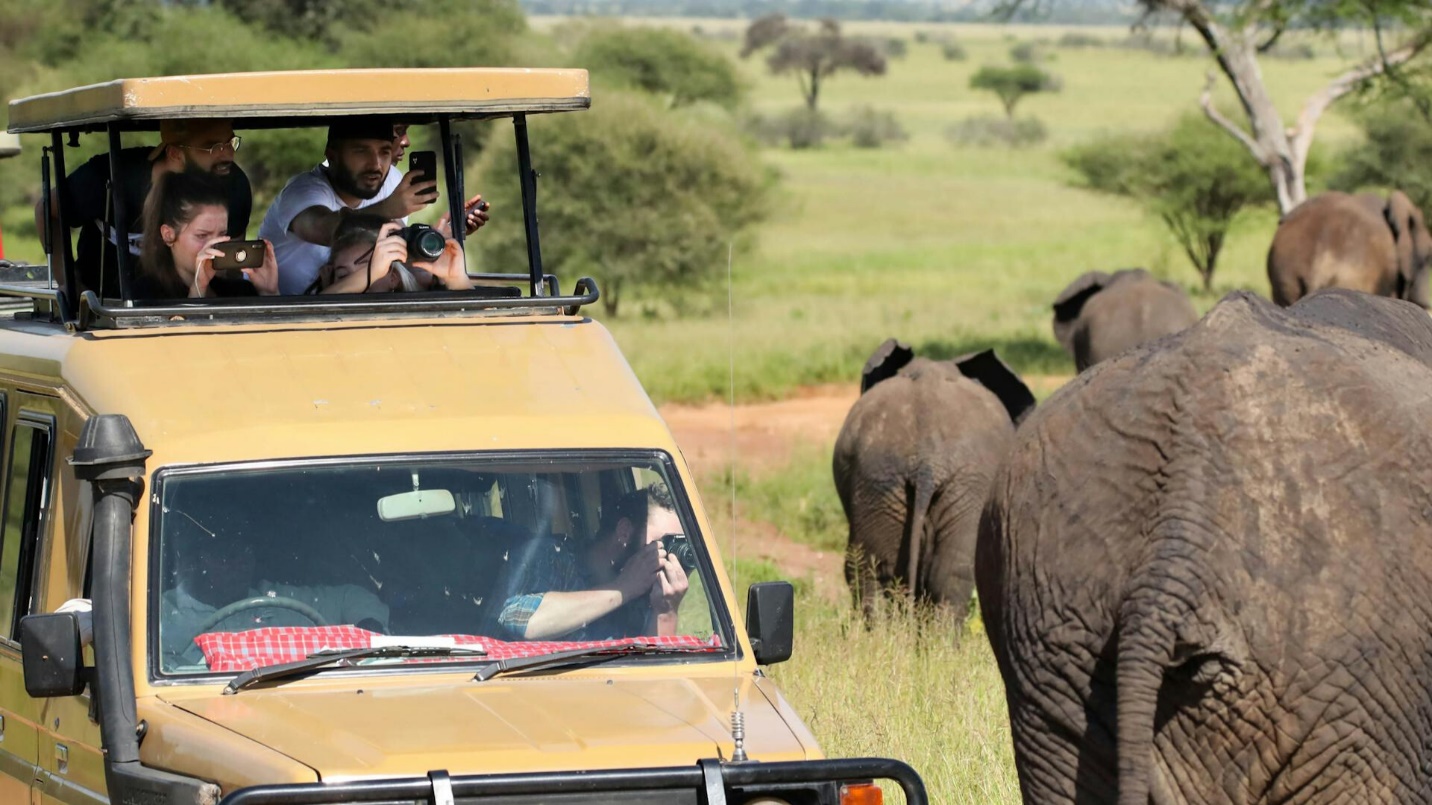
- The Precaution: Always follow your guide’s instructions. Never wander off alone outside designated areas (especially in unfenced camps). Do not approach wild animals on foot.
- The Why: You are in wild territory. Animals are unpredictable, and your guide knows best how to ensure safety.
Your Health Toolkit: Vaccinations & First Aid
Being proactive about your health ensures a smoother trip.
- Vaccinations:
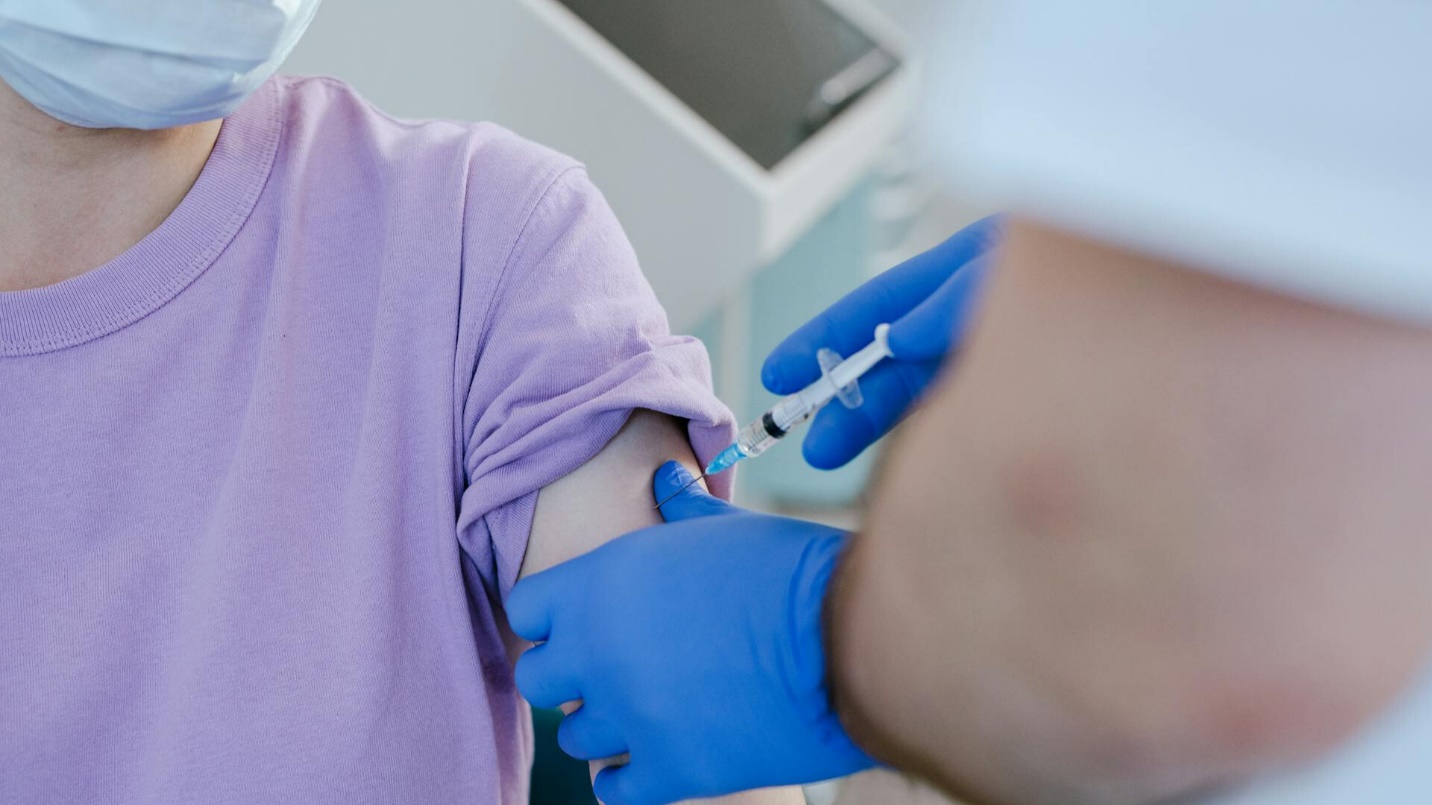
- Consult your doctor 6-8 weeks before travel. Recommended vaccinations often include Hepatitis A & B, Typhoid, Tetanus, Diphtheria, Measles, Mumps, rubella (MMR), and potentially Rabies.
- Yellow Fever Certificates: This is often mandatory if you’re arriving from or have transited through a country with a risk of Yellow Fever transmission. Without it, you could be vaccinated on arrival or denied entry.
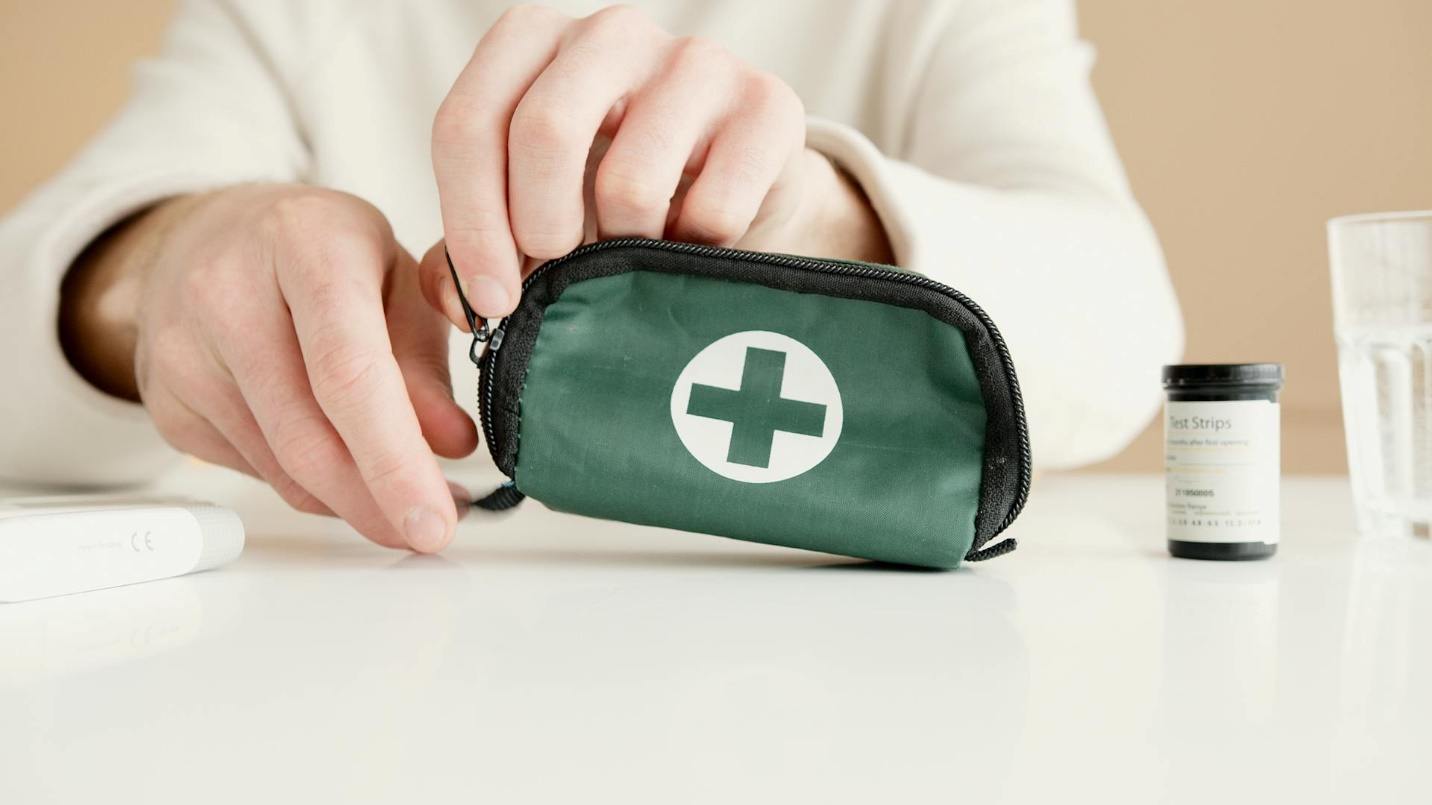
- Personal First Aid Kit:
- Carry a basic kit with pain relievers, anti-diarrhea medication, rehydration salts, antiseptic wipes, bandages, and blister treatment (Compeed is a lifesaver!). Your guide will have a more comprehensive kit, but personal items are good.
Adventure Awaits, Safely!
Preparing for health and safety in Tanzania isn’t about fostering fear; it’s about empowering you with the knowledge to enjoy every moment with confidence. By taking these essential precautions, you ensure your worry-free trip truly lives up to its name, allowing you to fully immerse yourself in the incredible landscapes, wildlife, and vibrant culture that make Tanzania an unparalleled destination.
What’s one health or safety item you never travel without? Share your essential precautions for a worry-free adventure in the comments below!
React to this article
Enjoyed this article?
Share it with your friends!
You might also like
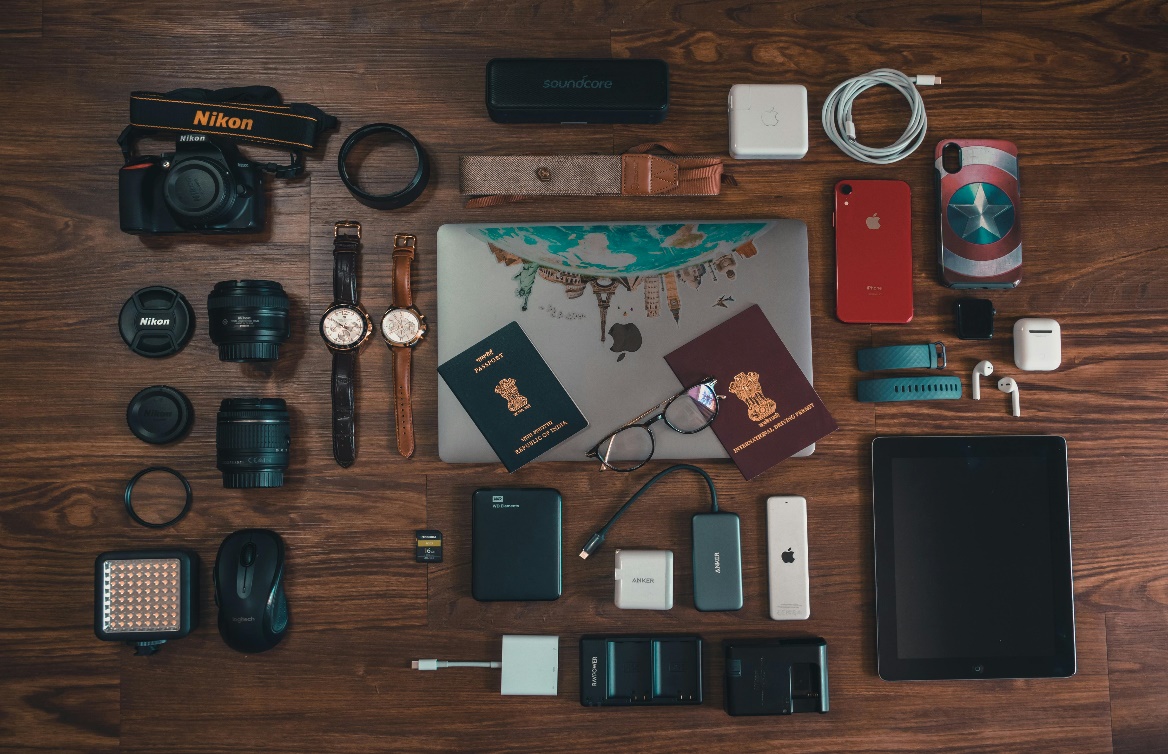
Ticket to Paradise: Your Tanzania Travel Dream Checklist (Essential Pre-Trip Planning for Your African Adventure)
From the golden savannas of the Serengeti to Zanzibar’s beaches, where the air smells like cinnamon and salt, this is a pre-trip checklist you’ll need. Visas? Check. Vaccines? Sorted

Smooth Safari, Clear Peaks: Dealing with Safari Sickness & Altitude Sickness in Tanzania (Prevention, Remedies and When to Seek Help)
Smooth Safari, Clear Peaks: Dealing with Safari Sickness & Altitude Sickness in Tanzania (Prevention, Remedies & When to Seek Help)...
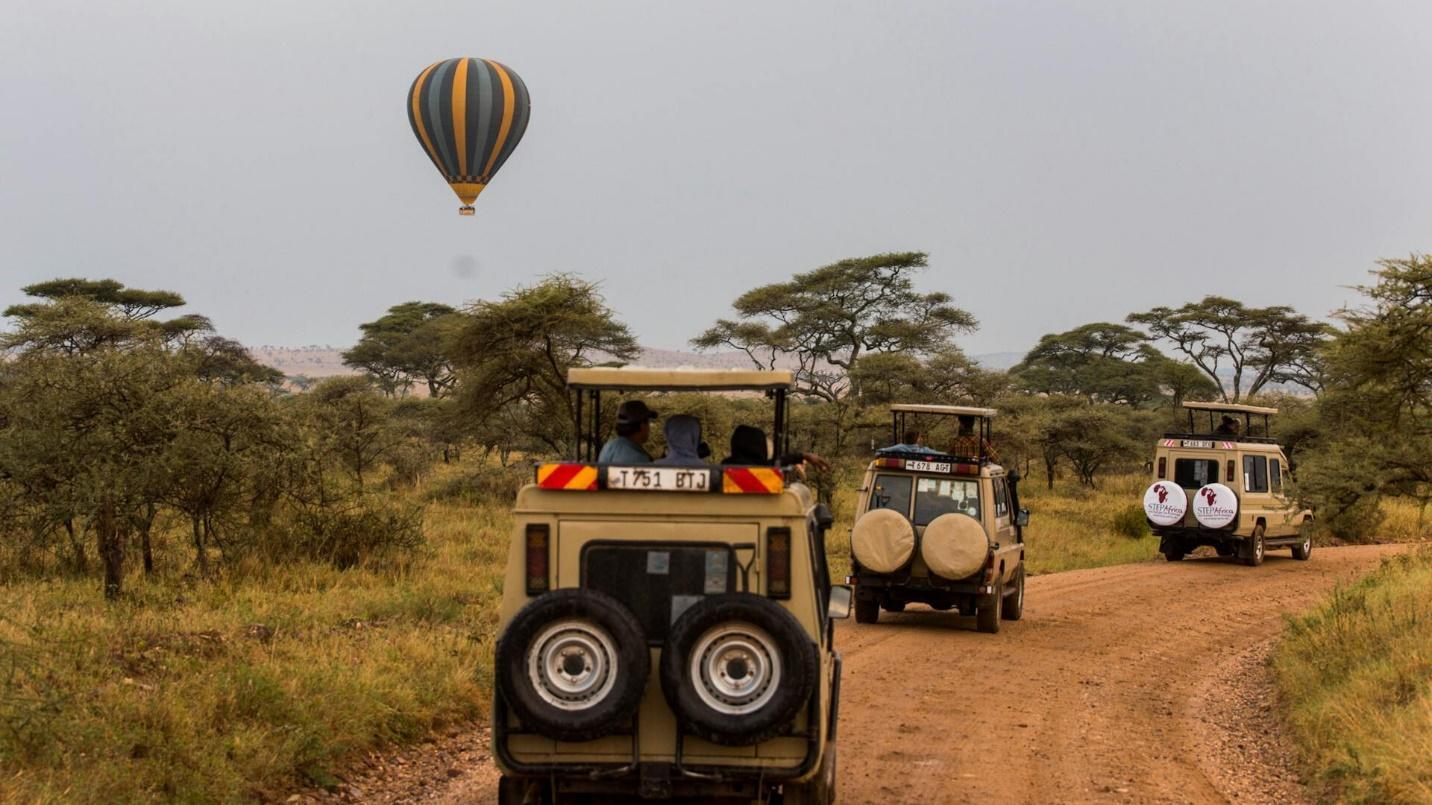
Safari Scares & Medical Miles: Why Tanzania Travel Insurance is Non-Negotiable (Beyond Basic Coverage & New Realities)
Planning a Tanzania trip involves more than booking game drives; it requires a realistic assessment of potential hurdles. Comprehensive travel insurance, particularly with extensive medical and evacuation benefits, is a non-negotiable component. It ensures that a common travel incident, like a vehicle accident on a rural road or a sudden illness, does not become a financially crippling event due to the complexities of receiving care in a remote region.
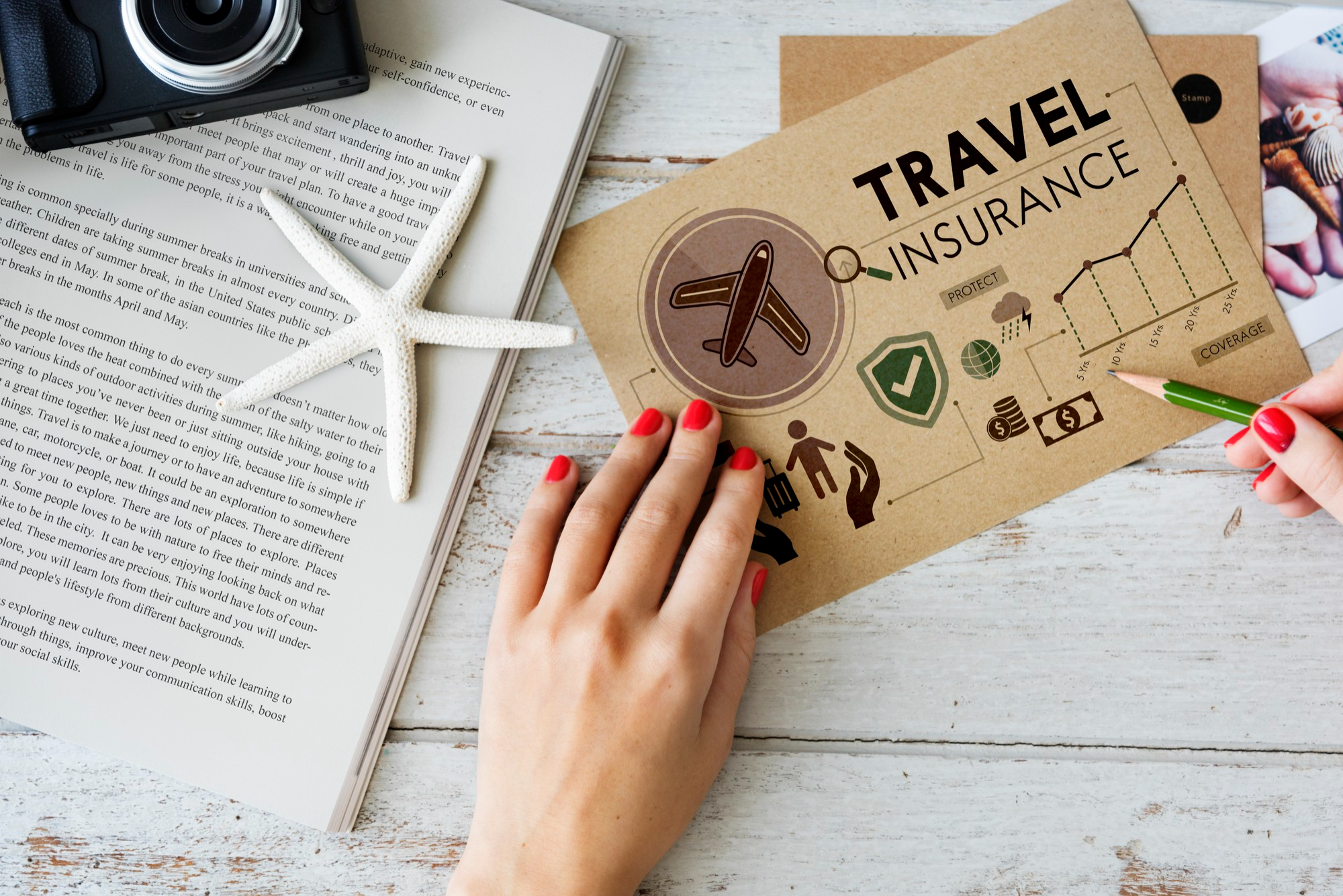
Your Safety Net in Paradise: Unpacking Tanzania’s Mandatory Travel Insurance (Peace of Mind for Every Adventure)
A sprained ankle on safari? A stolen phone in Zanzibar? Tanzania requires travel insurance for this exact reason. It’s not red tape—it’s a smart safety net for adventurers. So you can explore with confidence, knowing you’re covered if a small crisis pops up. Your peace of mind, guaranteed.